2026 K-Drama Trends: US Viewership & Production Impact
Unpacking the 2026 K-Drama Landscape: 3 Major Trends Impacting U.S. Viewership and Production
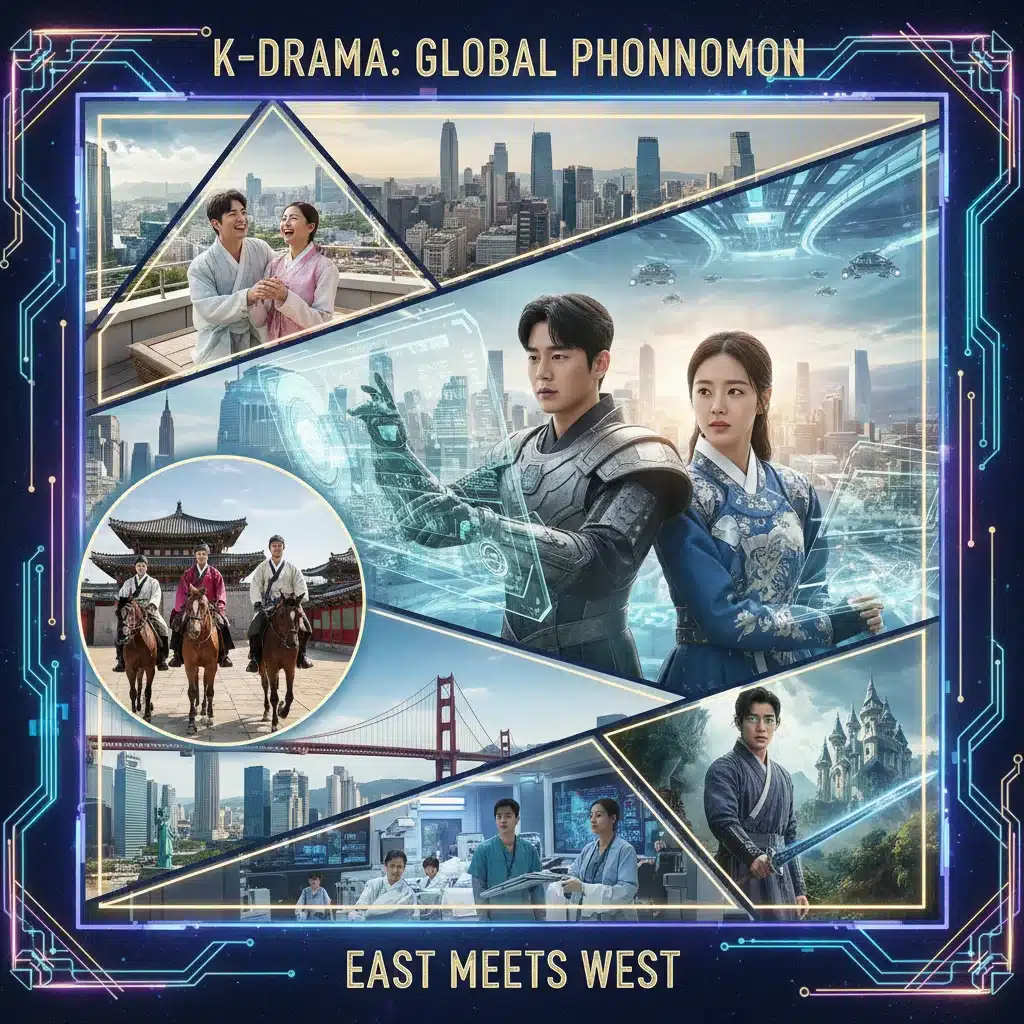
The global phenomenon of K-Dramas continues its meteoric rise, captivating audiences worldwide with its unique blend of compelling storytelling, high production values, and charismatic stars. As we peer into 2026, the landscape of Korean dramas is poised for even greater evolution, particularly in how it impacts U.S. viewership and production. The synergy between technological advancements, shifting audience preferences, and strategic global collaborations is creating a dynamic environment that promises to redefine entertainment. Understanding these 2026 K-Drama Trends is crucial for anyone invested in the future of global entertainment, from dedicated fans to industry professionals. This deep dive will explore three pivotal trends that are set to shape the K-Drama experience for American audiences and influence the very fabric of its creation.
The Digital Revolution: AI, VR, and Enhanced Storytelling
The entertainment industry is no stranger to technological disruption, and K-Dramas are at the forefront of embracing these innovations. By 2026, we anticipate a significant integration of Artificial Intelligence (AI) and Virtual Reality (VR) into both the production and consumption of K-Dramas, leading to unprecedented levels of immersion and personalized content. This digital revolution isn’t just about flashy effects; it’s about fundamentally changing how stories are told and experienced.
AI-Powered Production and Script Development
AI is rapidly transforming various aspects of K-Drama production. In 2026, expect to see AI playing a more prominent role in script analysis, character development, and even predicting audience engagement. AI algorithms can analyze vast datasets of successful K-Dramas, identifying common tropes, narrative structures, and character archetypes that resonate with specific demographics. This data-driven approach allows writers and producers to refine their stories, ensuring they hit the right emotional beats and cultural touchpoints for a global audience, including the discerning U.S. market. Imagine AI assisting in generating diverse plot twists or suggesting character arcs that align with current social sentiments. This doesn’t replace human creativity but rather augments it, providing powerful tools for enhanced storytelling.
Furthermore, AI-driven tools are streamlining post-production processes. From automated translation and subtitling services, which are crucial for reaching U.S. viewers, to advanced visual effects rendering, AI is making K-Drama production more efficient and cost-effective. This efficiency allows studios to allocate more resources to creative endeavors, leading to even higher quality content. The ability to quickly and accurately localize content for different markets will be a game-changer, breaking down language barriers and making K-Dramas more accessible than ever to American households.
VR and AR for Immersive Fan Experiences
Beyond production, AI and VR are set to revolutionize how fans interact with K-Dramas. By 2026, we could see the emergence of interactive K-Drama experiences leveraging VR and Augmented Reality (AR). Imagine stepping into your favorite drama’s set, interacting with virtual characters, or exploring iconic locations in a fully immersive 3D environment. This level of engagement goes beyond passive viewing, transforming fans into active participants in the K-Drama universe. For U.S. fans, who are often geographically distant from the filming locations, these technologies offer an unparalleled opportunity to connect with their beloved shows on a deeper level.
AR applications could allow fans to bring K-Drama elements into their real world – perhaps seeing virtual characters appear in their living room, or trying on digital versions of iconic outfits. These interactive experiences not only enhance fan engagement but also open up new revenue streams through virtual merchandise, themed events, and personalized content. The potential for U.S. K-Drama conventions to incorporate VR experiences, offering virtual meet-and-greets with stars or immersive behind-the-scenes tours, is immense. These innovations are not just technological novelties; they are integral to strengthening the bond between K-Dramas and their global fanbase, a key component of the 2026 K-Drama Trends.
Genre Diversification and Cross-Cultural Storytelling
The initial wave of K-Drama popularity in the U.S. was largely driven by romantic comedies and melodramas. While these genres remain popular, 2026 will see a significant expansion into a wider array of genres, alongside a deliberate effort towards cross-cultural storytelling. This diversification is a natural progression as K-Dramas seek to capture an even broader audience and explore more complex narratives.
Beyond Romance: Thrillers, Sci-Fi, and Historical Epics
Korean content creators are increasingly venturing into genres that have traditionally been strong in Western markets, such as gritty thrillers, speculative science fiction, and grand historical epics. Shows like ‘Squid Game’ and ‘Kingdom’ have already demonstrated the global appeal of K-Dramas outside the romance genre, proving that compelling narratives transcend cultural barriers. In 2026, expect a surge in high-concept K-Dramas that challenge conventional storytelling, featuring intricate plots, morally ambiguous characters, and stunning visual effects.
This expansion caters directly to the diverse tastes of U.S. viewers, who appreciate a wide spectrum of genres. The increased investment in production budgets and special effects will allow K-Drama creators to compete directly with Hollywood productions in terms of visual spectacle and narrative ambition. Think dystopian futures, complex crime procedurals, and fantasy realms brought to life with meticulous detail. This genre diversification is not just about quantity but about enriching the K-Drama viewing experience, offering something for everyone and solidifying its position as a global entertainment powerhouse. This strategic move is a cornerstone of the evolving 2026 K-Drama Trends.

The Rise of Cross-Cultural Narratives and Co-Productions
Another significant trend for 2026 is the deliberate integration of cross-cultural narratives and an increase in international co-productions, particularly with U.S. studios. As K-Dramas gain traction globally, creators are becoming more attuned to universal themes and narratives that resonate across different cultures. This means moving beyond purely Korean-centric stories to explore themes that have global relevance, often featuring diverse casts and settings.
Co-productions with U.S. production companies are set to become more common, blending Korean creative talent and storytelling prowess with American production resources and marketing reach. These collaborations could result in hybrid dramas that feature bilingual dialogue, diverse filming locations, and storylines that directly address cross-cultural experiences. Imagine a K-Drama where a significant portion of the story unfolds in a U.S. city, or one that features American actors in prominent roles, seamlessly integrating different cultural perspectives. This approach not only broadens the appeal of K-Dramas but also fosters a deeper understanding and appreciation of diverse cultures among viewers. The exchange of creative ideas and production techniques will undoubtedly lead to innovative and groundbreaking content, further solidifying K-Drama’s place in the global entertainment ecosystem.
The Streaming Wars and Direct-to-Consumer Models
The battle for streaming dominance is intensifying, and K-Dramas are a crucial weapon in this arsenal. By 2026, the way U.S. audiences access K-Dramas will be heavily influenced by the ongoing streaming wars and the proliferation of direct-to-consumer (DTC) models from Korean broadcasters and production houses. This shift impacts not only accessibility but also the economic models driving K-Drama production.
Streaming Platforms as Gatekeepers and Global Distributors
Major global streaming platforms like Netflix, Hulu, and Amazon Prime Video have been instrumental in introducing K-Dramas to a wider U.S. audience. In 2026, their role as gatekeepers and primary distributors will continue to be significant, but with increased competition. These platforms are investing heavily in exclusive K-Drama content, recognizing its power to attract and retain subscribers. This investment translates into higher production budgets for K-Dramas, allowing for more ambitious projects and attracting top talent. The competition among streamers means that U.S. viewers will have an even greater selection of high-quality K-Dramas readily available at their fingertips.
However, this also means that K-Dramas are becoming a key battleground for subscriber acquisition. Platforms will likely engage in aggressive marketing campaigns targeting K-Drama fans, and potentially even offer specialized K-Drama content hubs or subscription tiers. The data collected by these platforms on U.S. viewership habits will also feed back into the production cycle, influencing future content decisions and ensuring that K-Dramas continue to cater to the evolving preferences of their American audience. The strategic importance of K-Dramas for global streamers is a defining characteristic of the 2026 K-Drama Trends.
The Rise of Korean Direct-to-Consumer Platforms
While global platforms play a crucial role, Korean broadcasters and production companies are also increasingly exploring direct-to-consumer (DTC) models to reach international audiences, including those in the U.S. Platforms like Viki and Kocowa have already established a niche, offering a wide array of K-Dramas with fast subtitling. By 2026, expect more Korean media conglomerates to launch their own dedicated international streaming services, directly competing with the established global players.
This DTC trend offers several advantages. It allows Korean content creators to retain more control over their intellectual property, collect direct audience data, and potentially offer more niche or experimental content that might not appeal to broader global streamers. For U.S. fans, this could mean even more choices, but also the challenge of navigating multiple subscriptions. However, these dedicated platforms often excel in community building, offering fan forums, exclusive behind-the-scenes content, and interactive features that enhance the overall fan experience. The competition between global streamers and Korean DTC platforms will ultimately benefit U.S. viewers, leading to a richer and more diverse selection of K-Dramas.
Impact on U.S. Production and Talent
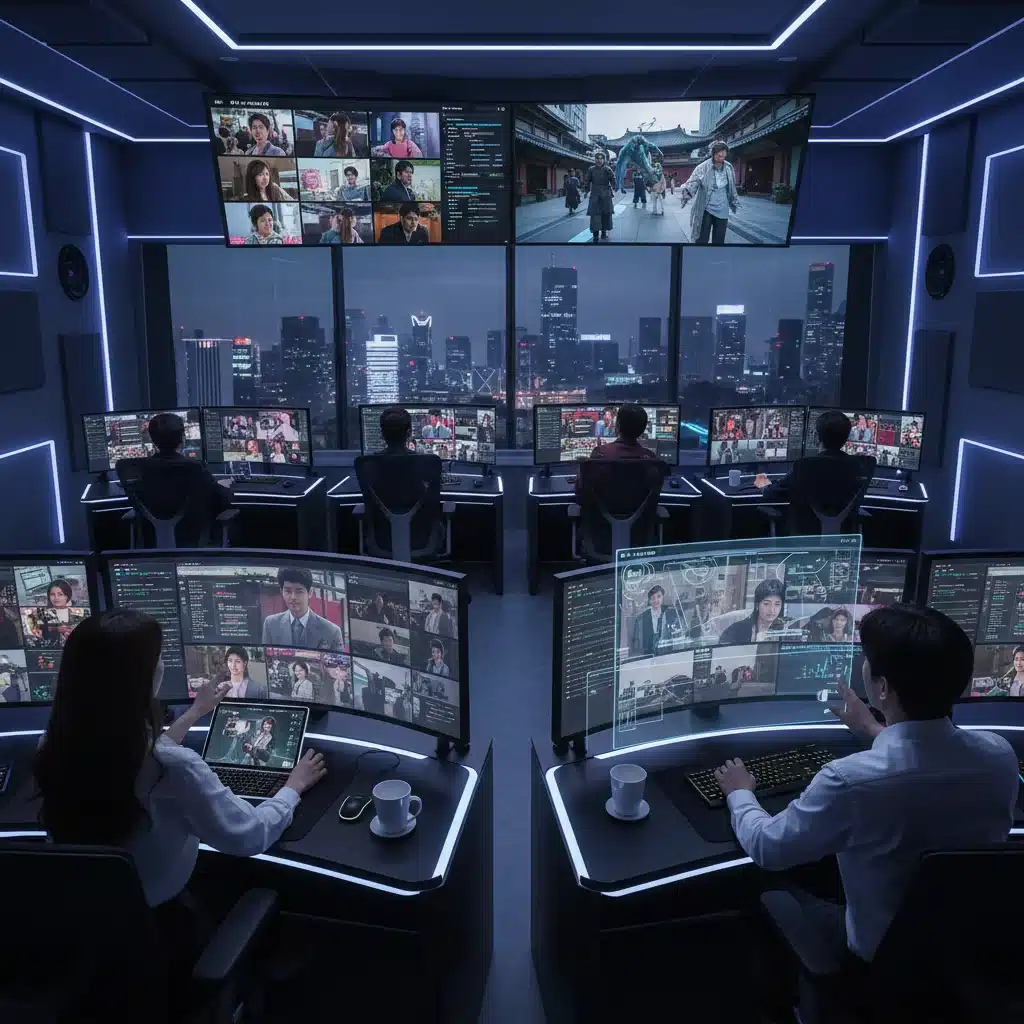
The growing popularity of K-Dramas in the U.S. isn’t just about consumption; it’s also about influence. The success of Korean storytelling and production techniques is beginning to leave its mark on the U.S. entertainment industry, fostering a new era of cross-cultural exchange and collaboration. This impact is multifaceted, affecting everything from narrative styles to talent development.
Adoption of K-Drama Storytelling Elements in U.S. Productions
U.S. showrunners and writers are increasingly studying the unique narrative structures and emotional depth that characterize K-Dramas. Elements such as intricate plot twists, long-form character development, and a willingness to explore complex social issues are becoming more prevalent in American productions. The K-Drama emphasis on character-driven narratives and the slow burn of romantic or dramatic tension offers a refreshing alternative to some Western storytelling conventions. By 2026, we might see more U.S. dramas incorporating these elements, leading to a richer and more globally aware storytelling landscape.
Moreover, the K-Drama model of producing entire seasons before airing, which allows for a more cohesive narrative and higher production quality, is gaining attention in Hollywood. While challenging to implement due to existing industry structures, the benefits of such a model in terms of artistic integrity and audience satisfaction are undeniable. The influence is subtle but significant, leading to a gradual evolution in how stories are conceived and executed in the U.S. This cross-pollination of creative ideas is one of the most exciting aspects of the 2026 K-Drama Trends.
Opportunities for U.S. Talent and Crew
The increase in K-Drama co-productions and the general expansion of the industry also create new opportunities for U.S. talent and crew. American actors, writers, directors, and technical staff may find themselves collaborating on K-Drama projects, either filmed in Korea or partially in the U.S. This cross-border collaboration fosters a valuable exchange of skills and perspectives, enriching both industries.
For U.S. actors, K-Dramas offer a chance to break into a vibrant international market and gain exposure to a new global fanbase. For writers and directors, it’s an opportunity to experiment with different narrative styles and production methodologies. Technical crews can learn from the highly efficient and innovative Korean production systems. This mutual benefit strengthens the bonds between the two entertainment powerhouses and paves the way for a truly globalized entertainment industry where talent and creativity know no borders.
Challenges and Considerations for 2026
While the future of K-Dramas in the U.S. looks incredibly promising, there are also challenges and considerations that will shape its trajectory towards 2026. Understanding these potential hurdles is essential for a complete picture of the evolving landscape.
Maintaining Authenticity Amidst Globalization
As K-Dramas become more globalized and incorporate cross-cultural elements, there’s a delicate balance to strike between appealing to a broad audience and maintaining the unique cultural authenticity that makes them so appealing in the first place. The risk of homogenization, where K-Dramas lose their distinct Korean flavor in an attempt to be universally palatable, is a concern. Creators will need to navigate this carefully, ensuring that while stories become more accessible, they don’t sacrifice the cultural nuances and perspectives that define their appeal. The 2026 K-Drama Trends will depend heavily on this balance.
Navigating Intellectual Property and Licensing
With increased co-productions and international distribution, managing intellectual property rights and licensing agreements will become more complex. Clear and equitable frameworks will be essential to ensure fair compensation for creators and to prevent disputes. The value of K-Drama IP is soaring, and robust legal structures will be necessary to protect these valuable assets in the global marketplace. This is particularly crucial as U.S. companies seek to adapt or remake successful K-Drama formats.
Audience Fatigue and Content Overload
The sheer volume of content available across numerous streaming platforms could lead to audience fatigue. While K-Dramas are popular, they are part of a much larger ecosystem of global entertainment. Creators will need to continually innovate and produce exceptionally high-quality content to stand out in a crowded market. The challenge will be to not just produce more, but to produce better, ensuring that each K-Drama offers a unique and compelling reason for U.S. viewers to tune in. The sustainability of the current growth trajectory hinges on this continuous pursuit of excellence.
Conclusion: The Bright Future of K-Dramas in the U.S.
As we look towards 2026, the future of K-Dramas in the U.S. is undeniably bright and dynamic. The integration of advanced technologies like AI and VR promises to create more immersive and personalized viewing experiences. The strategic expansion into diverse genres and the embrace of cross-cultural storytelling will broaden their appeal to an even wider audience. Finally, the intensifying streaming wars and the rise of direct-to-consumer platforms will ensure unprecedented accessibility and choice for American fans.
These 2026 K-Drama Trends are not isolated phenomena but interconnected forces shaping a new era of global entertainment. The influence of K-Dramas extends beyond mere viewership, impacting U.S. production techniques, narrative styles, and fostering a rich exchange of talent and creative ideas. While challenges remain, the ingenuity and adaptability of the Korean entertainment industry, coupled with the growing appetite of U.S. audiences, suggest a future where K-Dramas are not just popular, but an integral and indispensable part of the global cultural tapestry. Get ready for an exhilarating ride, as K-Dramas continue to break barriers and redefine what’s possible in television storytelling.