Streaming Wars & Anime Accessibility in US: 2025 Analysis
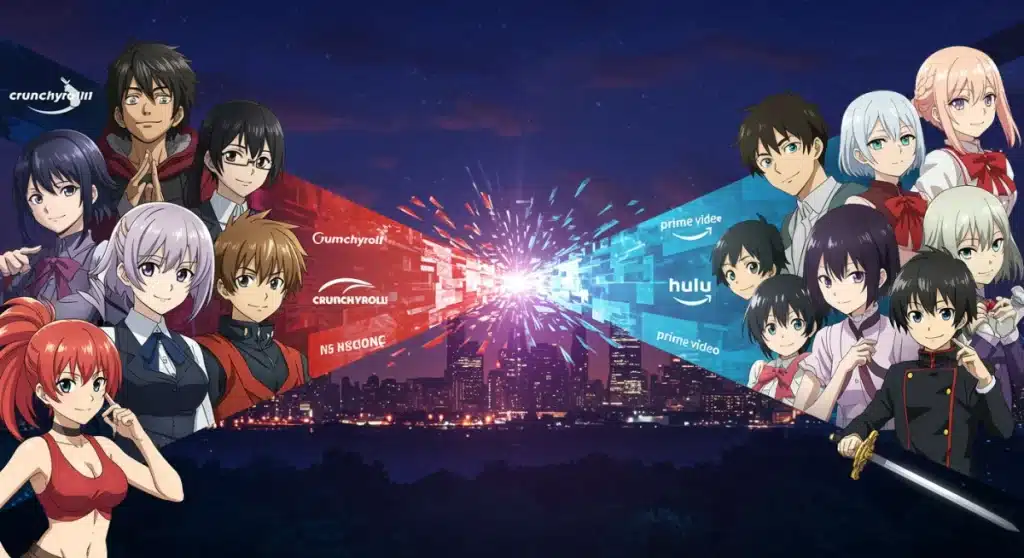
The impact of streaming wars on anime accessibility in the US by 2025 is characterized by a complex ecosystem of exclusive content deals and platform competition, forcing viewers to subscribe to multiple services to access desired anime titles.
The landscape of anime consumption in the United States has undergone a dramatic transformation, particularly with anime streaming accessibility becoming a central point of discussion. As we delve into 2025, the ongoing streaming wars have profoundly reshaped how fans access their favorite series, creating both opportunities and significant hurdles for the average viewer.
The Rise of Platform Exclusivity in Anime Streaming
The battle for exclusive content rights has intensified across the streaming industry, and the anime sector is no exception. Major players are investing heavily to secure exclusive licenses for popular and upcoming anime series, fundamentally altering the traditional distribution model. This shift means that a single service often becomes the sole destination for certain highly anticipated titles.
This strategy, while beneficial for individual platforms in attracting subscribers, inevitably leads to a fragmented viewing experience for fans. What was once a relatively consolidated market has splintered, requiring viewers to navigate a mosaic of different services to keep up with their preferred shows. The implications for consumer choice and overall accessibility are far-reaching.
Key Players and Their Strategies
Several streaming giants have emerged as dominant forces in the anime space, each employing distinct strategies to corner the market. Their approaches often dictate the availability and accessibility of content.
- Crunchyroll: Remains a formidable leader, often securing a vast catalog of simulcasts directly from Japan, making it a primary destination for new releases.
- Netflix: Has heavily invested in original anime productions and exclusive licensing deals, often releasing entire seasons at once, catering to binge-watchers.
- Hulu: Continues to offer a strong selection of anime, often leveraging its partnerships with traditional broadcasters to provide a mix of new and classic titles.
- Prime Video: While not solely focused on anime, it has acquired significant exclusive titles, particularly those with broader appeal, expanding its diverse content library.
The competition among these platforms drives innovation but also erects barriers. Each exclusive acquisition by one platform means that title is unavailable on others, impacting viewer convenience and budget. This constant tug-of-war for content defines the current state of anime streaming accessibility.
Viewer Choices and the Subscription Dilemma
As platform exclusivity becomes the norm, anime fans in the US face a growing dilemma: how many subscriptions are too many? The desire to follow multiple ongoing series or access a diverse back catalog often necessitates subscribing to several services, leading to increased monthly expenditures.
This situation forces viewers to make difficult choices, prioritizing certain platforms or series over others based on cost, content library, and personal preferences. The ideal of a single, comprehensive anime streaming hub seems increasingly distant in 2025.
Strategies for Navigating Fragmented Content
Fans have developed various strategies to cope with the fractured streaming landscape. These range from pragmatic budgeting to more creative approaches to content acquisition.
- Rotating Subscriptions: Many viewers subscribe to one service for a few months to catch up on exclusives, then cancel and switch to another.
- Prioritizing Platforms: Fans often choose one or two essential platforms based on their favorite genres or specific series.
- Community Sharing: Informal sharing of account access among trusted friends or family members, though officially discouraged, remains a common workaround.
- Legal Alternatives: Exploring free, ad-supported anime platforms, though these often have smaller libraries and older titles.
The financial burden of multiple subscriptions is a significant concern, especially for younger demographics who constitute a large portion of the anime fandom. This economic pressure directly influences their ability to access the full breadth of available content, potentially leading to a resurgence of less legitimate viewing methods.
The Impact on Anime Culture and Fandom
The fragmentation of anime content has a tangible impact on the broader anime culture and fandom in the US. Shared viewing experiences, once a cornerstone of community, are now often divided along platform lines. Discussions about new episodes might be limited to those who share the same subscription, inadvertently creating silos within the fan base.
Moreover, the delayed or limited accessibility of certain titles can affect their overall popularity and cultural penetration. If a highly anticipated series is exclusive to a niche platform, its reach might be curtailed compared to a show available on a more widely subscribed service. This can influence trends, merchandise sales, and even the future production of similar anime.
Challenges to Community Engagement
The distributed nature of content poses several challenges for fostering a cohesive anime community. The ability to discuss and react to new episodes in real-time is often dependent on shared platform access.
- Spoilers: Uneven access can lead to spoilers for those who cannot watch new episodes immediately due to platform restrictions.
- Reduced Hype Cycles: If a show is not widely accessible, its cultural impact might be diluted, as fewer people are experiencing it concurrently.
- Content Discovery: Discovering new anime can be harder when content is scattered across numerous services, making it difficult to stumble upon hidden gems.
Despite these challenges, the resilience of the anime community is evident. Fans actively seek out forums, social media groups, and watch parties to bridge these gaps, demonstrating a strong desire to connect over their shared passion, regardless of streaming barriers. However, the friction introduced by platform exclusivity is undeniable.
Technological Innovations and User Experience
In response to the streaming wars, platforms are continually innovating their user experiences to retain and attract subscribers. This includes features like improved recommendation algorithms, personalized watchlists, and enhanced accessibility options such as multiple subtitle languages and dubs. However, these innovations primarily serve to improve the experience within a single platform, rather than addressing the broader issue of cross-platform content access.
The technical demands on viewers are also increasing, with the need for stable internet connections and compatible devices across various apps. While most modern devices support a wide range of streaming services, the sheer number of apps required can lead to interface clutter and a less streamlined viewing journey for those who seek comprehensive anime access.
Enhancing the Viewer Journey
Platforms are focusing on making their individual services as appealing as possible, recognizing that a superior user experience can be a key differentiator in a crowded market.
- Personalized Recommendations: AI-driven engines suggest anime based on viewing history, aiming to keep users engaged within their ecosystem.
- Offline Viewing: The ability to download episodes for offline viewing is a popular feature, especially for commuters or those with inconsistent internet access.
- Multi-device Compatibility: Ensuring seamless streaming across smartphones, tablets, smart TVs, and gaming consoles is crucial for user retention.
Despite these efforts, the fundamental problem of content fragmentation persists. While individual platforms become more polished, the overall experience of being an anime fan in the US in 2025 often involves juggling multiple apps and managing several subscription payments, which can detract from the joy of discovery and immersion.
The Future of Anime Licensing and Distribution
Looking ahead, the future of anime licensing and distribution in the US is likely to remain dynamic and competitive. While consolidation is always a possibility, the current trend suggests continued strategic acquisitions and exclusive deals. This could lead to an even more complex landscape, or perhaps a tipping point where consumers demand more streamlined access.
The role of anime production committees in Japan also plays a significant part. These committees, often comprising multiple stakeholders including studios, publishers, and distributors, decide where their content is licensed. Their decisions are heavily influenced by financial incentives, which often favor exclusive arrangements with the highest bidders.
Potential Scenarios for 2025 and Beyond
Several scenarios could unfold in the coming years, each with different implications for anime accessibility.
- Further Fragmentation: More niche platforms could emerge, specializing in specific genres or demographics, further scattering content.
- Bundling Services: Major tech companies might offer bundles of different streaming services, similar to traditional cable packages, providing a more consolidated option.
- Hybrid Models: A blend of subscription and transactional video-on-demand (TVOD) where viewers can rent or buy individual episodes or seasons not available on their subscribed services.
Ultimately, the balance between platform profitability and consumer convenience will shape the future. The demand from a growing and vocal anime fanbase for easier access to content may eventually pressure platforms and licensors to explore more integrated or flexible distribution models, but for now, navigating the exclusives remains a core challenge.
Economic Implications for Viewers and Industry
The economic implications of the streaming wars extend to both the viewers and the anime industry itself. For viewers, the cumulative cost of multiple subscriptions can become prohibitive, leading to subscription fatigue. This can result in a smaller overall audience for some shows, as not everyone can afford or justify multiple monthly payments.
For the industry, while exclusive deals bring significant revenue to production committees and studios, the fragmentation might inadvertently limit the global reach and cultural impact of certain titles. A balance must be struck between maximizing immediate profits through exclusivity and fostering long-term growth through broader accessibility.
The Cost of Fandom in 2025
Being a dedicated anime fan in 2025 often means incurring significant monthly costs, comparable to or even exceeding traditional cable packages.
- Subscription Stacking: The necessity of subscribing to Crunchyroll, Netflix, Hulu, and possibly Prime Video or other niche services can quickly add up.
- Merchandise and Events: Beyond streaming, fans also invest in figures, manga, Blu-rays, and convention tickets, further increasing their overall expenditure.
- Value Perception: Viewers constantly evaluate the perceived value of each subscription against its cost, leading to frequent cancellations and re-subscriptions.
This economic pressure point is a critical factor influencing anime streaming accessibility. Platforms that can offer competitive pricing, robust libraries, and a user-friendly experience are more likely to retain subscribers, but the overarching trend of exclusive content continues to challenge the financial sustainability of comprehensive anime fandom.
Addressing Piracy in a Fragmented Landscape
One of the most persistent challenges in a fragmented streaming landscape is the resurgence of piracy. When legitimate avenues for accessing desired anime become too expensive or inconvenient, some viewers unfortunately turn to illegal streaming sites. This undermines the industry’s efforts to monetize content and can harm the creators.
The industry’s response to piracy typically involves stricter enforcement and legal action, but a more proactive approach might involve addressing the root causes of viewer frustration. Making content more accessible and affordable across legitimate platforms could be a powerful deterrent against illegal consumption, fostering a healthier ecosystem for anime distribution.
The Role of Convenience and Cost
Convenience and cost are major drivers behind viewer choices, and their absence can inadvertently fuel piracy.
- Ease of Access: The simpler it is to find and watch an anime legally, the less appealing illegal alternatives become.
- Affordable Options: Reasonable pricing models or bundled services can make legitimate streaming more attractive than free but illicit options.
- Timely Releases: Delays in international releases compared to Japan can also push fans towards piracy to avoid spoilers and keep up with discussions.
Ultimately, combating piracy effectively requires a multi-faceted approach that not only focuses on enforcement but also on creating a superior, user-friendly, and economically viable legitimate streaming experience. The streaming wars, by fragmenting content, inadvertently complicate this objective, making it a continuous battle for the anime industry.
| Key Point | Brief Description |
|---|---|
| Platform Exclusivity | Major streaming services secure sole rights to anime titles, fragmenting content across platforms. |
| Viewer Dilemma | Fans face increased costs and the need for multiple subscriptions to access desired anime. |
| Fandom Impact | Community engagement is challenged by uneven access, leading to potential spoilers and diluted hype. |
| Piracy Resurgence | High costs and inconvenience of legal streaming can inadvertently drive viewers towards illegal alternatives. |
Frequently Asked Questions About Anime Streaming in 2025
The primary consequences include content fragmentation, requiring multiple subscriptions for fans, increased personal viewing costs, and challenges to community engagement due to differing access to new releases. This also impacts content discovery and the overall viewing experience.
Crunchyroll remains a leader for simulcasts, while Netflix has a strong presence with originals and exclusives. Hulu and Prime Video also offer significant anime libraries, often with exclusive titles, contributing to the competitive landscape of anime streaming.
Viewers often employ strategies like rotating subscriptions, prioritizing platforms based on their favorite series, or informally sharing accounts. Some also explore legal, ad-supported free options or resort to less legitimate means if accessibility becomes too restrictive or costly.
Exclusive content can create silos within the fan community, as not everyone has access to the same shows. This can lead to issues with spoilers, reduced collective hype for certain series, and a fragmented discussion environment, challenging unified fandom experiences.
While consolidation is possible, current trends suggest continued strategic exclusive deals and potentially new niche platforms. This could lead to further fragmentation, but there’s also potential for bundled services or hybrid models to offer a more streamlined experience in response to viewer demand.
Conclusion
The impact of streaming wars on anime accessibility in the US by 2025 has undeniably reshaped the viewing experience. While platforms compete fiercely for exclusive content, offering fans an unprecedented array of choices, this comes at the cost of fragmentation and increased financial burden. Viewers are left to navigate a complex ecosystem, often requiring multiple subscriptions to satisfy their anime cravings. Moving forward, the industry faces the challenge of balancing profitability with consumer convenience to ensure that the vibrant world of anime remains accessible and enjoyable for its dedicated fanbase without inadvertently pushing them towards less legitimate options. The evolving landscape demands innovative solutions that prioritize the viewer’s experience.