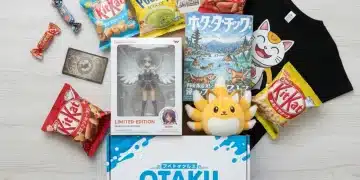
Navigating Anime Merchandise Scams in 2025: Identify Fakes
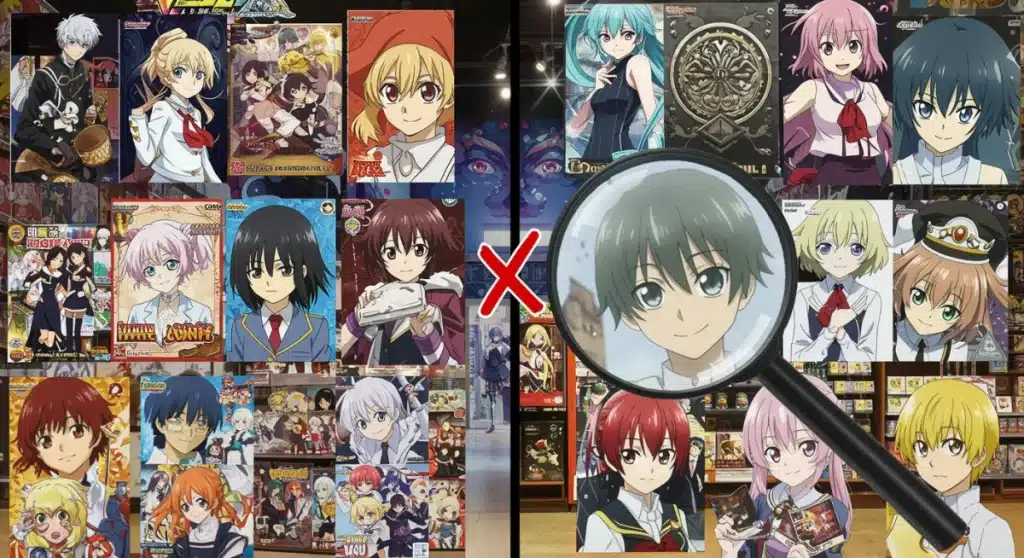
To avoid falling victim to anime merchandise scams in 2025, it is crucial for collectors to understand how to identify fake products and prioritize purchases from verified retailers, safeguarding both their investment and passion.
The world of anime merchandise is a vibrant, ever-expanding universe, drawing in millions of fans worldwide. From meticulously crafted figures to exclusive apparel, the desire to own a piece of our favorite series is undeniable. However, this passion also attracts unscrupulous individuals looking to profit from unsuspecting buyers. In 2025, navigating anime merchandise scams remains a critical skill for any collector. Identifying fake products not only protects your wallet, potentially saving you up to 20% on purchases, but also ensures the integrity of your collection and supports the creators you admire. This guide will equip you with the knowledge to distinguish genuine items from counterfeits and make informed buying decisions from verified retailers.
Understanding the Landscape of Fake Anime Merchandise
The market for fake anime merchandise is sophisticated and constantly evolving, making it challenging for even seasoned collectors to spot counterfeits. These illicit products range from poorly made replicas to convincing fakes that mimic official releases almost perfectly. The motivation behind these scams is purely financial, exploiting the high demand and often limited supply of authentic items.
Counterfeiters often target popular series and characters, knowing that fans are eager to acquire merchandise. They leverage online marketplaces, social media, and even physical conventions to distribute their goods. Understanding their tactics is the first step in protecting yourself and your valuable collection from these pervasive scams.
Common Types of Counterfeit Anime Merchandise
Fake anime merchandise isn’t a single entity; it manifests in various forms, each with its own tell-tale signs. Recognizing these different types can significantly improve your ability to identify a scam before you make a purchase.
- Bootleg Figures: These are often the most frustrating for collectors. They typically feature poor paint jobs, unstable bases, incorrect proportions, and cheap materials. The packaging might also be flimsy or have misspelled words.
- Fake Apparel: T-shirts, hoodies, and other clothing items often use low-quality fabric, faded prints, or incorrect character designs. They might lack official tags or have poorly stitched labels.
- Replica Plushies: Counterfeit plush toys often have uneven stitching, incorrect colors, cheap filling, and designs that don’t quite match the official character art.
- Unofficial Manga/Light Novels: These might be scans of official releases, poorly printed, or even fan-made content packaged to look legitimate.
Each category presents unique challenges, but a keen eye for detail and a healthy dose of skepticism can go a long way in identifying these imposters. The key is to be aware that if something seems too good to be true, it probably is.
Identifying Red Flags in Online Listings
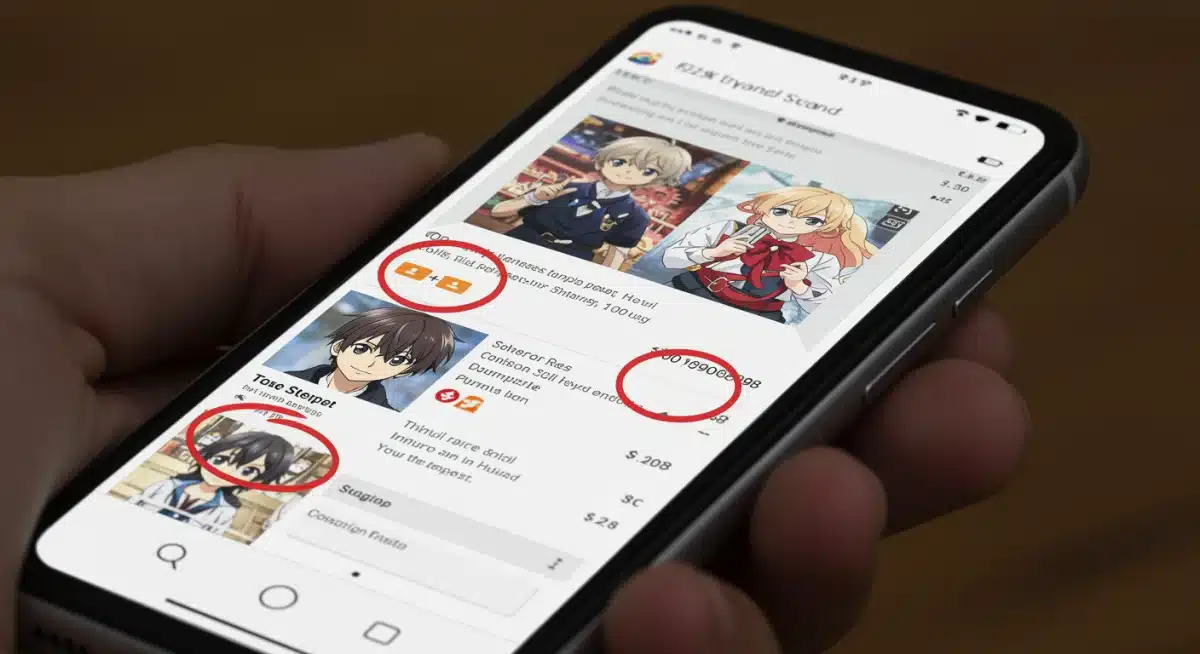
Online shopping has become a primary avenue for purchasing anime merchandise, offering convenience and access to a global market. However, it also provides a fertile ground for scammers. Learning to spot red flags in online listings is crucial for navigating anime merchandise scams effectively.
Before clicking ‘add to cart,’ take a moment to scrutinize the listing itself. Many clues about a product’s authenticity are hidden in plain sight, if you know what to look for. This vigilance can save you from disappointment and financial loss.
What to Look for in Suspicious Listings
Scammers often leave a trail of breadcrumbs. By paying attention to these details, you can often determine if a listing is legitimate or a potential trap.
- Unrealistic Pricing: If a rare or highly sought-after item is listed at a significantly lower price than market value, it’s a major red flag. Authentic limited-edition items rarely come cheap.
- Generic or Stock Photos: Legitimate sellers often provide multiple high-quality photos of the actual product, from various angles. If a listing only uses generic stock images or blurry photos, be wary.
- Vague Descriptions: Lack of specific details about the product, materials, manufacturer, or licensing information can indicate a counterfeit. Scammers prefer to keep descriptions general.
- Poor Grammar and Spelling: While not always a definitive sign, frequent grammatical errors or misspellings in the product description can suggest a lack of professionalism and potentially a scam.
- New Seller with No Reviews: Be cautious of sellers with very few or no reviews, especially if they are selling high-value items. Conversely, a flood of generic positive reviews can also be suspicious.
Always cross-reference information. Look up the official product details and compare them against the listing. A thorough inspection of the online listing is your first line of defense against fake merchandise.
The Importance of Verified Retailers and Official Stores
One of the most effective strategies for navigating anime merchandise scams is to exclusively purchase from verified retailers and official stores. These outlets have established reputations for selling authentic products and often have direct relationships with manufacturers and licensors. This approach significantly reduces your risk of encountering counterfeits.
While buying from official sources might sometimes mean paying a slightly higher price, the peace of mind and guarantee of authenticity are invaluable. It’s an investment in your collection and a way to support the creators directly.
Where to Buy Authentic Anime Merchandise
Knowing where to direct your purchasing power is key. Here are some reliable sources for authentic anime merchandise:
- Official Brand Websites: Many anime studios and merchandise manufacturers have their own online stores. Buying directly from them is the safest option.
- Licensed Distributors: Retailers like Crunchyroll Store, Right Stuf Anime, AmiAmi, HobbyLink Japan, and Good Smile Company’s official shop are well-known and reputable distributors of authentic anime goods.
- Major Retail Chains: Large retailers like Amazon (when buying directly from Amazon or verified sellers), Barnes & Noble, and specialized pop culture stores often carry licensed merchandise. Always check seller ratings and reviews on marketplaces.
- Reputable Local Stores: If you have local anime or comic book stores, build a relationship with them. They often source directly from distributors and can offer expert advice.
By sticking to these verified channels, you not only ensure you’re getting genuine products but also contribute to the legitimate anime industry, helping to fund future productions and merchandise. This conscious buying decision is a powerful tool against the counterfeit market.
Inspecting Physical Merchandise: Details That Matter
Even when buying from seemingly reputable sources, or if you’re inspecting a product before purchase, knowing how to physically examine merchandise for authenticity is crucial. Counterfeiters often cut corners, and these imperfections can be clear indicators of a fake product. A thorough inspection can save you from a regrettable purchase.
The devil is often in the details. From packaging to the product itself, subtle differences can reveal whether an item is genuine or a clever imitation. Developing a keen eye for these specific characteristics is an essential skill for any serious collector.
Key Physical Indicators of Fake Products
When you have the item in hand, pay close attention to the following:
- Packaging Quality: Authentic merchandise usually comes in high-quality packaging with crisp graphics, clear printing, and proper sealing. Fakes often have flimsy boxes, blurry images, misspelled words, or incorrect logos.
- Licensing Stickers/Holograms: Many official products, especially figures, come with holographic stickers or unique licensing seals from the copyright holder (e.g., Aniplex, Bandai, Good Smile Company). Familiarize yourself with what these should look like for specific brands.
- Product Finish and Materials: Genuine items use higher quality materials and have a superior finish. Look for inconsistencies in paint application, rough edges, visible seams, or cheap-feeling plastic on figures. Plushies should have even stitching and soft, durable fabric.
- Scent: Surprisingly, the smell of a product can be an indicator. Fake plastics often emit a strong, chemical odor that is absent from authentic items.
- Articulation and Fit (for figures): Authentic figures have smooth articulation and parts that fit together perfectly. Bootlegs often have stiff joints, parts that don’t connect properly, or are prone to breaking easily.
Taking the time to compare the item against official product images and paying attention to these physical cues can significantly improve your chances of identifying a fake. Trust your instincts; if something feels off, it probably is.
Protecting Your Wallet: Saving Up to 20% on Authentic Goods
While avoiding scams is paramount, securing authentic anime merchandise doesn’t always mean paying exorbitant prices. By strategically shopping and knowing where to look, you can often save a significant amount, potentially up to 20% or more, on genuine items. This smart shopping approach combines vigilance against fakes with savvy purchasing habits.
Being a smart consumer means more than just avoiding bad deals; it also means actively seeking out good ones. With a little research and patience, you can expand your collection without breaking the bank, all while ensuring everything you buy is legitimate.
Strategies for Cost-Effective Authentic Purchases
Here’s how to save money while still buying authentic:
- Pre-orders and Early Bird Discounts: Many official retailers offer discounts for pre-ordering new releases. This ensures you get the item at a potentially lower price and guarantees availability.
- Sales and Promotions: Keep an eye on major holidays (Black Friday, Cyber Monday) and seasonal sales from verified retailers. Sign up for newsletters to receive alerts on special offers.
- Reward Programs: Some online stores offer loyalty programs where you earn points for purchases, which can then be redeemed for discounts on future orders.
- Bundle Deals: Occasionally, retailers will offer bundles of related merchandise at a reduced combined price. This is a great way to acquire multiple items from a series you love.
- Second-Hand from Trusted Sources: If buying second-hand, use platforms with strong buyer protection and established communities (e.g., MyFigureCollection’s marketplace, specific Facebook groups with strict verification processes). Always ask for detailed photos and seller history.
By combining these strategies with your knowledge of identifying fakes, you can enjoy your hobby to the fullest, building an impressive and authentic collection without overspending. Smart shopping is an integral part of navigating anime merchandise scams in 2025.
Reporting Scams and Supporting the Community
Beyond protecting yourself, an important aspect of navigating anime merchandise scams is contributing to a safer collecting environment for everyone. Reporting fraudulent sellers and fake products helps to take down illicit operations and prevents others from falling victim. Your actions can make a significant difference in the fight against counterfeiting.
The anime collecting community thrives on shared passion and trust. By actively participating in reporting scams and sharing information, you strengthen this community and help maintain the integrity of the hobby. It’s a collective effort that benefits all fans.
How to Report Scams and Help Others
If you encounter a scam or receive a fake product, here’s what you can do:
- Report to the Platform: Most online marketplaces (eBay, Amazon, AliExpress) have clear reporting mechanisms for fraudulent listings or counterfeit items. Use them.
- Contact the Manufacturer/Licensor: Inform the official company behind the merchandise. They have a vested interest in protecting their intellectual property and brand reputation.
- Consumer Protection Agencies: In the U.S., you can report scams to the Federal Trade Commission (FTC) or your state’s Attorney General’s office.
- Share with the Community: Post warnings in reputable anime collecting forums, subreddits, or social media groups. Include details, photos, and seller names to help others identify and avoid the scam.
By taking these steps, you not only protect yourself but also become an active participant in safeguarding the anime merchandise market. Every report and shared experience helps to build a more informed and resilient community against the persistent threat of scams.
| Key Point | Brief Description |
|---|---|
| Online Red Flags | Look for unrealistic prices, generic photos, vague descriptions, and new sellers with no reviews. |
| Verified Retailers | Prioritize official brand websites, licensed distributors, and reputable major retailers for authenticity. |
| Physical Inspection | Examine packaging quality, licensing stickers, product finish, and material for signs of counterfeiting. |
| Smart Saving Tips | Utilize pre-orders, sales, reward programs, and trusted second-hand sources to save on authentic items. |
Frequently Asked Questions About Anime Merchandise Scams
Before purchasing an anime figure online, scrutinize the listing for red flags such as unusually low prices, generic or blurry images, and vague product descriptions. Always check seller reviews and ratings, and compare the listed product photos with official images from the manufacturer’s website for discrepancies in detail or quality.
Fake anime merchandise is frequently found on large online marketplaces like Amazon (from third-party sellers), eBay, and AliExpress. Social media platforms and unofficial fan groups can also be sources of counterfeit goods. Always exercise caution and verify seller legitimacy on these platforms.
While authentic merchandise might have a higher base price, smart shopping can lead to savings. Look for pre-order discounts, seasonal sales from official retailers, and loyalty programs. Buying from verified sources guarantees quality and avoids the financial loss of purchasing a fake, ultimately saving you money in the long run.
If you’ve purchased a fake, immediately contact the seller to request a refund. If unsuccessful, use the dispute resolution process of the platform you used (e.g., PayPal, credit card company, marketplace buyer protection). Report the seller and the counterfeit item to the platform and, if applicable, to consumer protection agencies.
Buying from verified retailers or official stores significantly reduces your risk because these outlets have direct relationships with manufacturers and licensors. They guarantee authenticity, provide reliable customer service, and support the legitimate anime industry, ensuring your money goes towards genuine products and creators.
Conclusion
In 2025, the landscape of anime merchandise collecting demands vigilance and informed decision-making. By understanding the tactics of counterfeiters, recognizing red flags in online listings, and prioritizing purchases from verified retailers, you can effectively navigate the complex world of anime merchandise scams. This proactive approach not only safeguards your financial investment and the authenticity of your collection but also empowers you to support the creators and the industry you cherish. Remember, a well-informed collector is the best defense against fraud, ensuring your passion for anime remains pure and unblemished by fake products. Stay smart, stay safe, and happy collecting!