U.S. Demand Shapes K-Drama Casting 2026: A Deep Dive
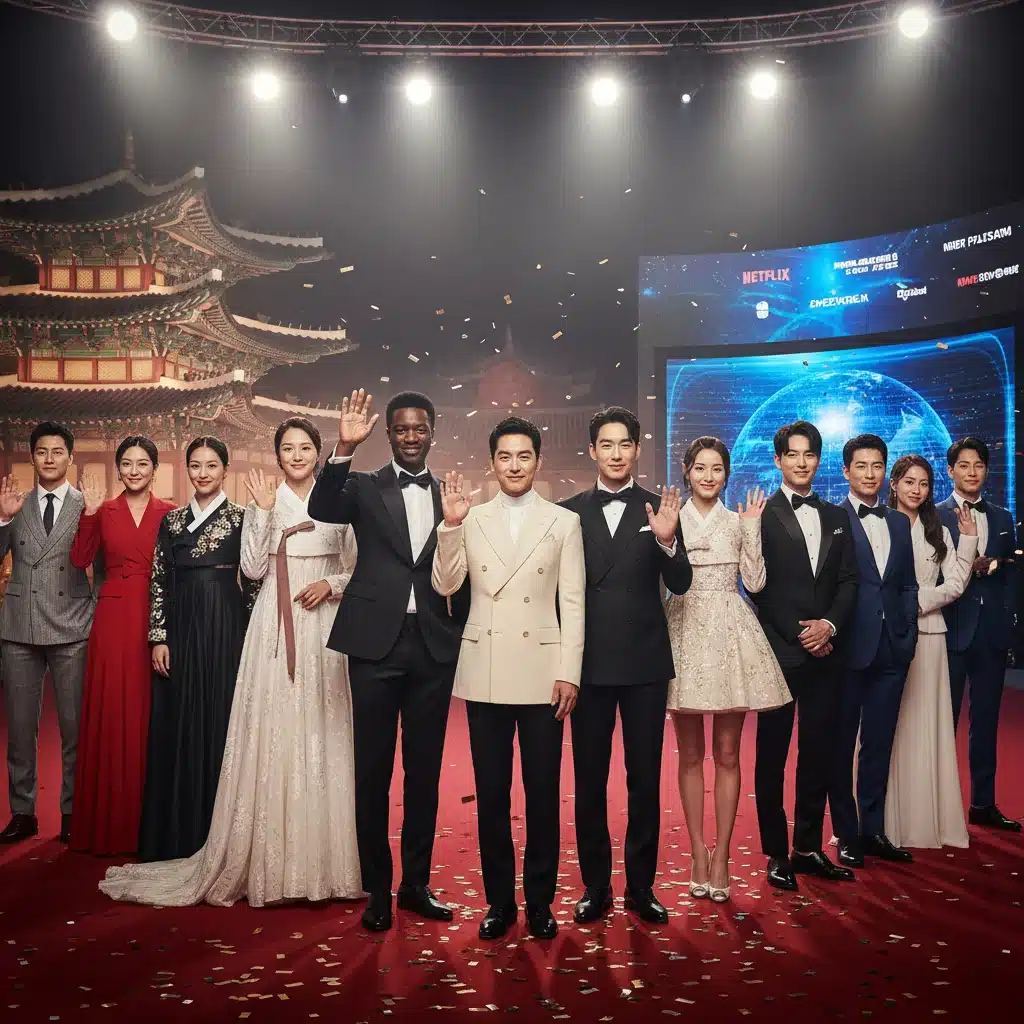
Behind the Scenes: How U.S. Demand Influences K-Drama Casting for 2026 Productions
The global entertainment landscape has been irrevocably reshaped by the Hallyu Wave, with South Korean dramas, or K-dramas, leading the charge. What began as a regional phenomenon has blossomed into a worldwide obsession, captivating audiences from Asia to Europe, and perhaps most notably, in the United States. This surge in U.S. demand for K-dramas is not merely a fleeting trend; it’s a powerful economic and cultural force that is fundamentally altering production decisions, especially when it comes to K-Drama casting for upcoming 2026 productions. The choices made today, from lead actors to supporting roles, are increasingly being influenced by an eye towards American viewership, streaming platform analytics, and the potential for global crossover appeal.
For years, K-dramas were primarily tailored for domestic Korean audiences, with success measured by local ratings and critical acclaim. While international distribution existed, it was often a secondary consideration. However, the advent of global streaming giants like Netflix, Viki, and Hulu has transformed this dynamic. These platforms have not only made K-dramas accessible to millions of American viewers but have also invested heavily in co-producing and licensing Korean content. This investment comes with a keen interest in maximizing return, which inevitably leads to a strategic focus on what resonates with their vast U.S. subscriber base. Consequently, the intricate process of K-Drama casting for 2026 is becoming a complex interplay of artistic vision, market research, and global appeal.
The Unprecedented Rise of K-Drama in the U.S.
To understand the profound impact of U.S. demand on K-Drama casting, one must first appreciate the sheer scale of its growth. What started as a niche interest among Asian American communities has exploded into mainstream consciousness. Shows like "Squid Game," "Extraordinary Attorney Woo," and "Crash Landing on You" have not only broken viewership records but have also introduced a new generation of American viewers to the rich storytelling, compelling characters, and high production values inherent in K-dramas. This isn’t just about passive viewing; it’s about active engagement, with fans discussing theories on social media, participating in online communities, and even learning Korean to better appreciate the nuances of the language and culture.
Statistics from major streaming platforms consistently show K-dramas ranking among the most-watched non-English content in the U.S. This consistent performance signals to production companies and casting directors that the American market is not just a bonus but a significant revenue driver. This shift in market perception directly translates into strategic decisions during the K-Drama casting process. Producers are no longer just looking for actors who can captivate Korean audiences; they are also seeking individuals who possess a certain "global charisma" or who have already garnered a substantial international following. The face of K-Drama casting is changing, becoming more globally attuned.
Data-Driven Casting: Beyond Local Appeal
In the past, K-Drama casting decisions were largely based on an actor’s popularity within Korea, their acting prowess, and their chemistry with co-stars. While these factors remain crucial, they are now augmented by a wealth of data available from streaming services. These platforms provide granular insights into viewer preferences, including which actors draw the most international viewers, what character archetypes resonate globally, and even the demographic breakdown of their K-drama audience in the U.S. This data-driven approach allows for a more calculated and strategic K-Drama casting process, aiming to maximize global viewership and appeal.
For 2026 productions, this means that actors who have proven their ability to attract a diverse international audience are likely to be prioritized. This could include actors who are fluent in English, have a strong social media presence with international followers, or have previously starred in globally successful projects. The goal is to cast a net wider than ever before, ensuring that the chosen talent can connect with viewers not only in Seoul but also in New York, Los Angeles, and beyond. This analytical lens on K-Drama casting is a relatively new development, signaling a maturation of the global K-drama industry.
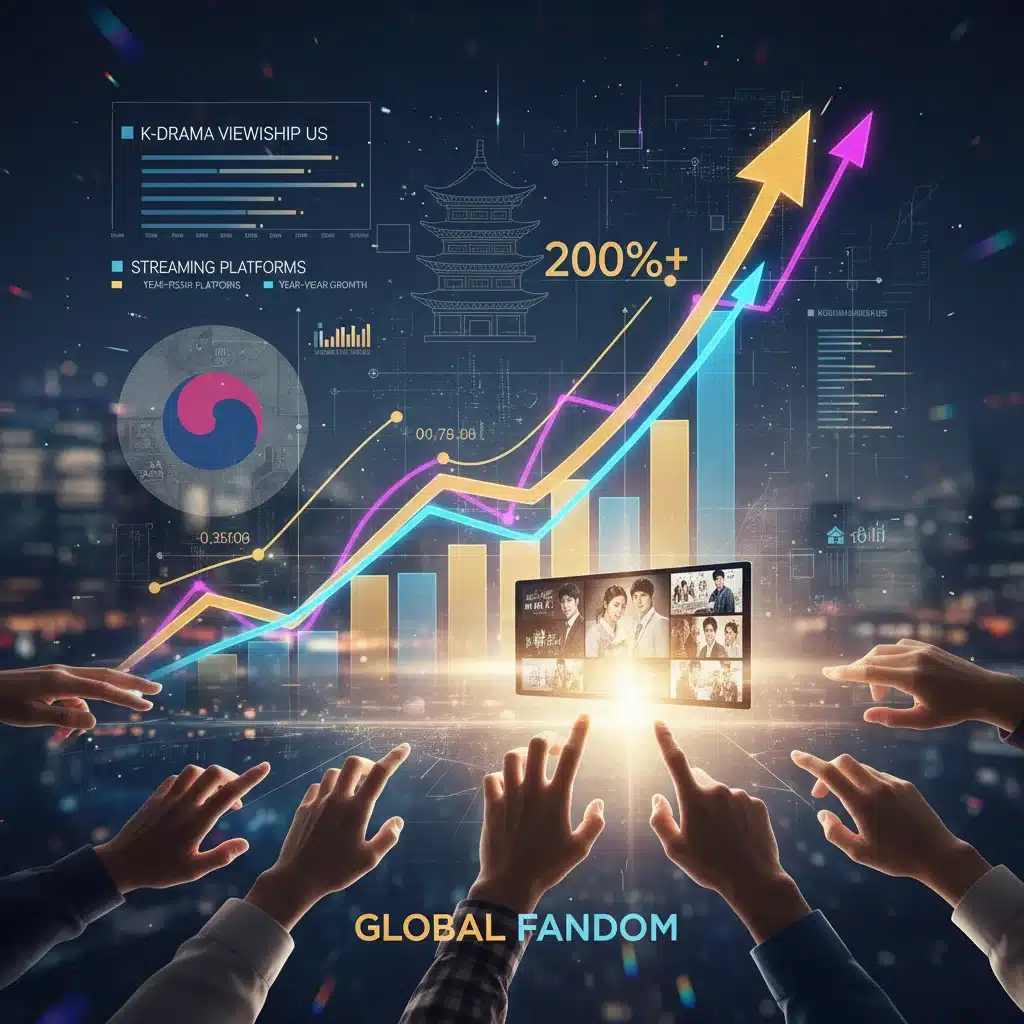
The "Global Star" Phenomenon and K-Drama Casting
The rise of the "global star" is another significant factor influencing K-Drama casting. Actors like Lee Min-ho, Song Joong-ki, and Park Seo-joon are not just household names in Korea; they are international celebrities with fan bases spanning continents. Their recognition and popularity abroad make them highly valuable assets for any K-drama aiming for global success. When considering K-Drama casting for 2026, producers are acutely aware of the drawing power these stars possess, particularly in the U.S. market.
This phenomenon extends beyond established stars. Emerging actors who demonstrate potential for global appeal are also being scouted more aggressively. This might involve looking for actors with unique looks, multilingual abilities, or a background that could resonate with international audiences. The emphasis on "global appeal" during K-Drama casting means that talent agencies are also adapting their strategies, actively promoting their actors on international platforms and building their global profiles. This shift is creating a more competitive landscape for aspiring actors, as the bar for entry now includes a consideration of international marketability.
Hollywood Crossover and its Impact on K-Drama Casting
The increasing interaction between the Korean and Hollywood entertainment industries further amplifies this trend. We’ve seen Korean actors making their debut in Hollywood productions, and conversely, Hollywood interest in Korean talent is at an all-time high. This crossover potential is a significant consideration in K-Drama casting. An actor who has already dipped their toes into Hollywood, or who is perceived to have the potential to do so, brings an added layer of international interest to a K-drama production.
For 2026, this could mean more K-dramas actively seeking out actors with international acting experience or those who have expressed interest in working in Hollywood. It also opens up possibilities for more diverse K-Drama casting, including actors of various ethnic backgrounds who can bridge cultural divides. The synergy between these two entertainment powerhouses is creating a dynamic environment where K-Drama casting is not just about finding the best actor for the role, but also about finding an actor who can serve as a cultural ambassador and a global draw.
Genre and Narrative Choices Influencing K-Drama Casting
The influence of U.S. demand isn’t limited to just who gets cast; it also extends to the types of stories being told and the genres being explored. While romance and fantasy remain popular, there’s a growing appetite in the U.S. for K-dramas that delve into more complex themes, such as social commentary, psychological thrillers, and gritty crime dramas. "Squid Game" is a prime example of a show that resonated deeply with American audiences due to its critique of capitalism and its intense, suspenseful narrative. This shift in audience preference directly impacts K-Drama casting, as different genres require different types of actors and acting styles.
For 2026 productions, this means that casting directors might be looking for actors who excel in nuanced, character-driven roles, rather than solely relying on actors known for their romantic leads. There’s a greater emphasis on versatility and the ability to portray complex emotions and moral ambiguities. This encourages actors to diversify their portfolios and hone skills that cater to a broader range of dramatic requirements. The evolving tastes of the U.S. market are pushing K-Drama casting towards a more diverse and challenging selection of talent, valuing depth and range alongside charisma.
The Role of Streaming Platforms in Shaping K-Drama Casting
Streaming platforms are not just distributors; they are increasingly becoming key players in the K-Drama production ecosystem, often co-financing projects and having a say in creative decisions, including K-Drama casting. Their global reach and direct access to audience data give them unparalleled influence. When a platform like Netflix invests millions in a K-drama, they naturally want to ensure it has the best chance of succeeding globally, and that often involves strategic K-Drama casting choices.
For 2026, it’s anticipated that streaming platforms will continue to exert significant influence over K-Drama casting. This could manifest in several ways: recommending actors with proven international appeal, encouraging the development of roles that cater to a global audience, or even directly participating in the audition process. This close collaboration between production houses and streaming giants means that K-Drama casting is no longer a purely internal Korean affair but a decision-making process with international stakeholders and global market considerations at its core. This symbiotic relationship ensures that K-dramas are increasingly being made with a global audience, particularly the U.S. market, in mind from inception.
Challenges and Opportunities in Global K-Drama Casting
While the influence of U.S. demand presents immense opportunities for K-drama productions, it also comes with its own set of challenges. One major challenge is balancing global appeal with maintaining the unique cultural identity that makes K-dramas so beloved. There’s a delicate line between creating universally relatable stories and authentic Korean narratives. K-Drama casting must navigate this balance, ensuring that actors can embody Korean cultural nuances while also being accessible to an international audience.
Another challenge lies in the increased competition for talent. As the demand for K-dramas grows globally, so does the demand for skilled actors. This can lead to bidding wars for popular stars and a greater emphasis on nurturing new talent that can meet these evolving global demands. For 2026, K-Drama casting directors will need to be more innovative in their scouting and development strategies, looking beyond established names to discover the next generation of global K-drama stars.
However, these challenges also open up significant opportunities. The global spotlight on K-dramas means more investment, better production values, and greater creative freedom for writers and directors. For actors, it means increased visibility, opportunities to work on diverse projects, and the chance to become international icons. K-Drama casting, therefore, becomes a gateway to global fame and artistic fulfillment, attracting a wider pool of talent eager to participate in this global phenomenon.

The Future of K-Drama Casting: A Globalized Vision
Looking ahead to 2026 and beyond, the trend of U.S. demand influencing K-Drama casting is only expected to intensify. As K-dramas continue to break cultural barriers and win over new fans, the pressure to produce content with global appeal will remain high. This doesn’t mean that K-dramas will lose their Korean essence; rather, it suggests a continued evolution towards stories and characters that resonate universally while retaining their unique cultural flavor. The future of K-Drama casting will be characterized by a more globalized vision, where talent is sought not just for their local appeal but for their ability to connect with a worldwide audience.
This includes a greater emphasis on diversity within K-Drama casting, not just in terms of ethnicity but also in terms of acting styles, character portrayals, and narrative complexity. The industry will likely see more collaborations with international talent, both in front of and behind the camera, further blurring the lines between national entertainment industries. The role of data analytics in K-Drama casting will become even more sophisticated, allowing for highly targeted and effective talent selection. This strategic approach to K-Drama casting will ensure that the Hallyu Wave continues to grow, captivating hearts and minds across the globe, with the U.S. market playing a pivotal role in its direction.
The Economic Implications of U.S. Demand on K-Drama Casting
The economic impact of U.S. demand on K-Drama casting cannot be overstated. The influx of capital from U.S.-based streaming platforms and distribution companies has significantly boosted the budgets for K-drama productions. Higher budgets translate into better production quality, more elaborate sets, and, crucially, the ability to attract top-tier talent. This financial infusion directly influences K-Drama casting decisions, allowing producers to offer competitive salaries and secure highly sought-after actors who might otherwise be unavailable. This creates a virtuous cycle: increased U.S. demand leads to more investment, which leads to higher quality productions and a greater ability to attract global talent, further boosting demand.
Moreover, the global success of K-dramas due to U.S. viewership has opened up new revenue streams beyond traditional broadcasting. Merchandise, fan events, and brand endorsements for K-drama stars now have a significantly larger international market, particularly in the U.S. This economic incentive further solidifies the importance of strategic K-Drama casting. Actors who become international sensations through K-dramas can command higher endorsement deals, increasing their overall value to production companies. Therefore, when considering K-Drama casting for 2026, the potential for an actor to generate revenue not just from the show itself but also from associated commercial ventures is a significant factor.
Long-Term Trends and Sustainability in K-Drama Casting
The current landscape suggests that the influence of U.S. demand on K-Drama casting is not a short-term phenomenon but a long-term trend. As K-dramas become more deeply embedded in global pop culture, the industry will continue to adapt to international preferences while striving to maintain its unique identity. Sustainability in K-Drama casting will involve a continuous effort to nurture new talent with global potential, invest in diverse storytelling, and leverage technological advancements to reach wider audiences. For 2026, this means a concerted effort to build a pipeline of actors who are not only skilled but also possess the charisma and appeal to captivate viewers worldwide.
The sustainability of this model also relies on the ability of Korean production houses to collaborate effectively with international partners, understanding their market needs while protecting their creative vision. K-Drama casting will become an even more collaborative process, involving insights from various global markets to ensure that the chosen talent can resonate across diverse cultural backgrounds. This globalized approach to K-Drama casting is crucial for the continued growth and dominance of the Hallyu Wave in the international entertainment arena.
Conclusion: K-Drama Casting’s Global Evolution
In conclusion, the escalating U.S. demand for K-dramas has irrevocably transformed the landscape of K-Drama casting for 2026 productions. What was once a primarily domestic consideration is now a strategic global endeavor, influenced by streaming platform analytics, the rise of global stars, Hollywood crossovers, and evolving genre preferences. This shift presents both exciting opportunities and unique challenges, pushing the Korean entertainment industry to innovate and adapt.
The future of K-Drama casting is one where talent is scouted, developed, and selected with a keen eye on international appeal, particularly in the lucrative U.S. market. This globalized approach ensures that K-dramas continue to captivate audiences worldwide, solidifying their status as a dominant force in entertainment. As we look towards 2026, K-Drama casting will remain a critical factor in the ongoing success and expansion of the Hallyu Wave, showcasing the best of Korean talent to an ever-growing global fan base.