K-Drama Licensing Deals 2026: U.S. Viewer’s Guide to New Releases
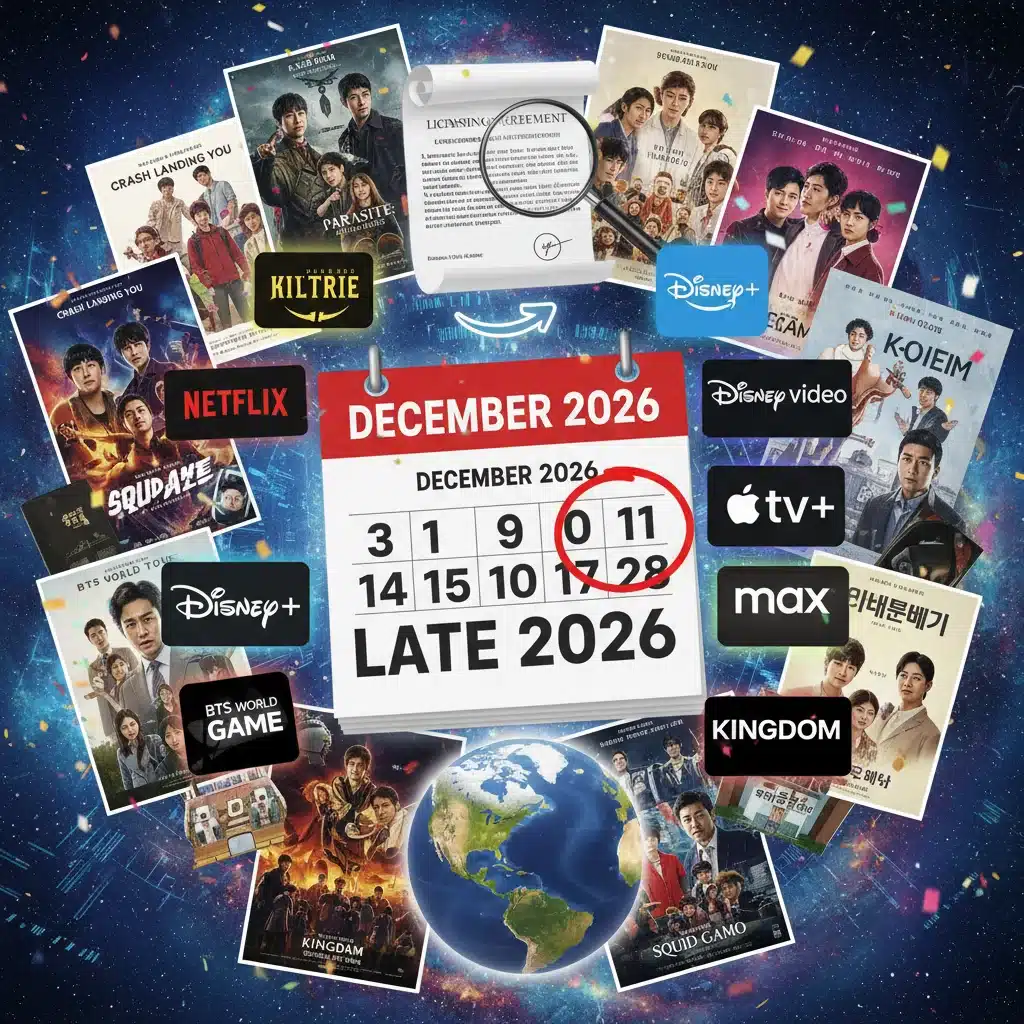
The world of K-dramas has exploded in popularity, captivating audiences globally with their compelling narratives, unique cultural insights, and stunning production values. For U.S. viewers, the accessibility of these shows has been a rollercoaster, evolving rapidly with the rise of streaming services. As we look towards late 2026, a new wave of K-Drama Licensing Deals is on the horizon, promising to reshape how and where American fans can access their beloved Korean content. Understanding these forthcoming changes is crucial for anyone who doesn’t want to miss out on the next big hit.
The intricate dance between Korean production houses and international streaming giants is a complex one, driven by exclusivity, market share, and the ever-growing demand for fresh, high-quality content. These K-Drama Licensing Deals are not just mere transactions; they are strategic moves that dictate the future of content distribution. This comprehensive guide will delve deep into what U.S. viewers need to know about these impending changes, offering insights, predictions, and practical advice to navigate the evolving streaming landscape for late 2026 releases.
The Evolving Landscape of K-Drama Distribution in the U.S.
Historically, K-dramas found their way to U.S. audiences through niche cable channels, DVD imports, and, eventually, early streaming platforms like Dramafever and Viki. The explosion truly began with Netflix’s aggressive investment in Korean content, transforming K-dramas from a niche interest into a global phenomenon. Other major players like Hulu, Amazon Prime Video, and Apple TV+ have since joined the fray, along with dedicated Asian content streamers such as Kocowa and the aforementioned Viki.
This competitive environment has led to increasingly complex K-Drama Licensing Deals. Studios are now weighing not just the financial offers but also the global reach, marketing power, and creative control afforded by different partners. For U.S. viewers, this has meant both increased access and, at times, frustrating fragmentation, with favorite shows scattered across multiple subscriptions.
The late 2026 window represents a significant inflection point because many existing multi-year licensing agreements will be expiring or up for renegotiation. This creates an opportunity for new players to enter the market, for existing players to consolidate their hold, or for a complete reshuffling of the deck. Understanding the motivations behind these K-Drama Licensing Deals is the first step in predicting their impact.
Key Players and Their Strategies in K-Drama Licensing Deals
To truly understand the future of K-drama availability, we must examine the strategies of the major players involved in these lucrative K-Drama Licensing Deals:
- Netflix: Having been a pioneer in bringing K-dramas to a global audience, Netflix has invested heavily in original Korean content and exclusive licensing. Their strategy often involves securing global distribution rights, which can sometimes mean a show is unavailable elsewhere. For late 2026, expect Netflix to continue its aggressive pursuit of exclusive content, possibly even expanding its co-production efforts with Korean studios. They aim to be the primary destination for K-dramas, leveraging their vast subscriber base.
- Viki: A long-standing platform dedicated to Asian content, Viki relies heavily on a mix of exclusive and non-exclusive K-Drama Licensing Deals. They differentiate themselves with community-driven subtitling and a wide variety of older and newer titles. Their strategy for 2026 will likely focus on retaining their loyal fanbase by securing a diverse catalog, potentially targeting shows that might not fit the ‘blockbuster’ mold but have strong fan appeal.
- Kocowa: A joint venture between South Korea’s three major broadcasters (KBS, MBC, SBS), Kocowa offers a more direct pipeline to network content, often with faster turnaround times for subtitling. Their K-Drama Licensing Deals are usually for content produced by their parent companies. For 2026, Kocowa will likely solidify its position as the go-to for traditional broadcast K-dramas, perhaps even exploring partnerships to expand its reach beyond its current subscriber base.
- Hulu, Amazon Prime Video, Apple TV+: These platforms typically acquire K-dramas as part of broader content deals or to bolster specific genres within their libraries. Their approach to K-Drama Licensing Deals is often more opportunistic, picking up critically acclaimed or popular series to attract new subscribers or retain existing ones. We might see them become more aggressive in 2026 if K-drama viewership continues its upward trajectory, potentially vying for non-exclusive rights or even smaller exclusive packages.
- Emerging Players: The streaming wars are far from over. New platforms or existing ones looking to expand their international offerings could enter the K-drama space, leading to more competition for K-Drama Licensing Deals. This could be a double-edged sword for viewers: more options but also potentially more fragmentation.
The Impact of New K-Drama Licensing Deals on U.S. Viewers
The renegotiation and formation of new K-Drama Licensing Deals for late 2026 releases will have several direct impacts on U.S. viewers. Understanding these potential shifts can help you prepare for the future of your K-drama consumption.
Increased Fragmentation of Content
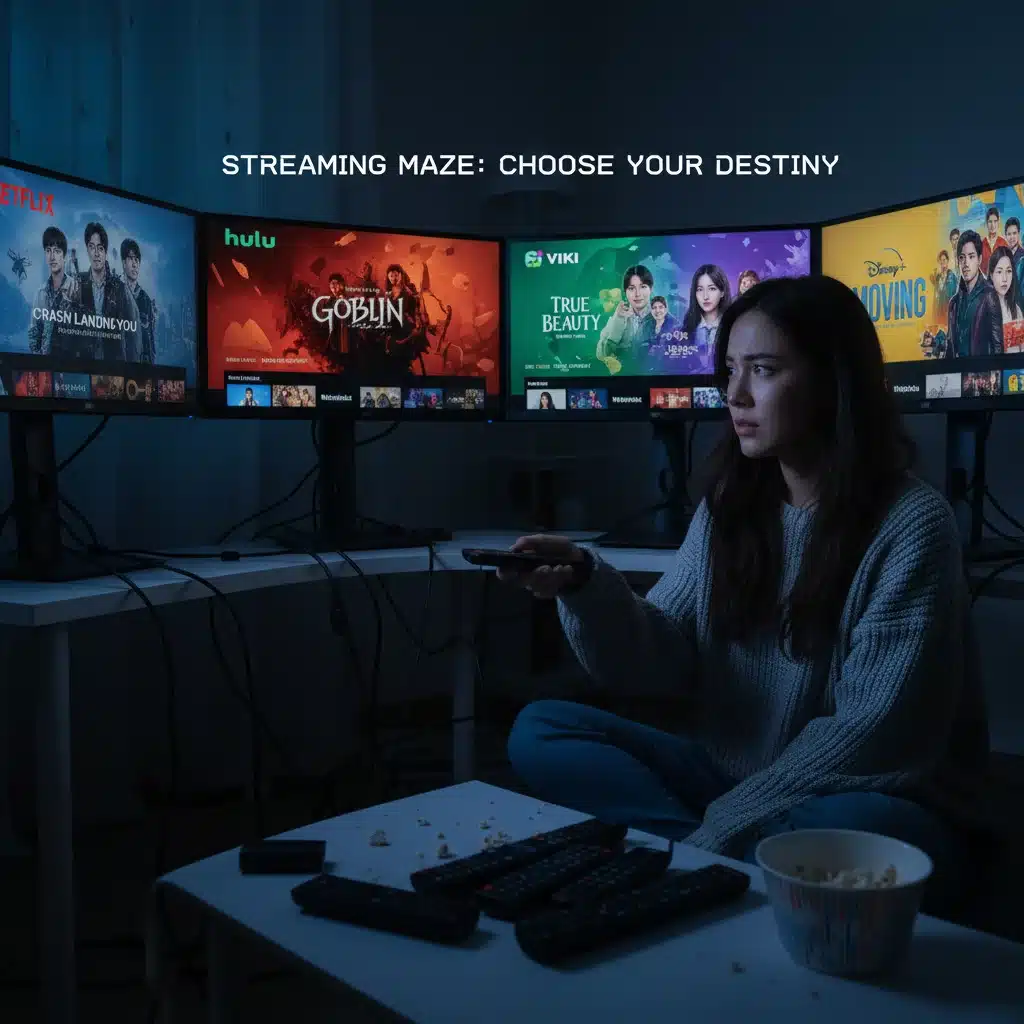
One of the most significant trends we expect to see is increased content fragmentation. As more platforms compete for exclusive rights, it’s becoming less likely that a single streaming service will house a comprehensive library of all the latest K-dramas. This means U.S. viewers might need to subscribe to multiple services to keep up with all the new releases. For instance, a highly anticipated drama might land exclusively on Netflix, while another critically acclaimed series might be found only on Viki or Hulu. This trend is already evident, and new K-Drama Licensing Deals will likely exacerbate it.
This fragmentation can lead to subscription fatigue and increased costs for viewers who want to access a broad range of content. However, it also means that each platform might curate a more distinct collection, allowing viewers to choose services based on their specific preferences for genre, production style, or release schedule.
Shifting Exclusive Rights and Release Windows
The battle for exclusive rights will intensify. Many K-Drama Licensing Deals are structured to grant exclusive rights for a certain period, after which the show might become available on other platforms. For late 2026 releases, we could see shorter exclusive windows or more complex tiered licensing, where a show might be exclusive to one platform for its initial run, then move to another for its catalog life. This could mean:
- Delayed Access: Some shows might arrive in the U.S. later than their Korean broadcast if a platform is waiting for a non-exclusive window to open.
- Platform Hopping: Viewers might find themselves subscribing to a service for a few months to binge a specific exclusive, then canceling to move to another platform for its exclusive offerings.
- Increased Competition for Originals: To combat this, platforms might double down on co-productions and original K-dramas, ensuring they have unique content that cannot be found elsewhere.
Potential for Higher Subscription Costs
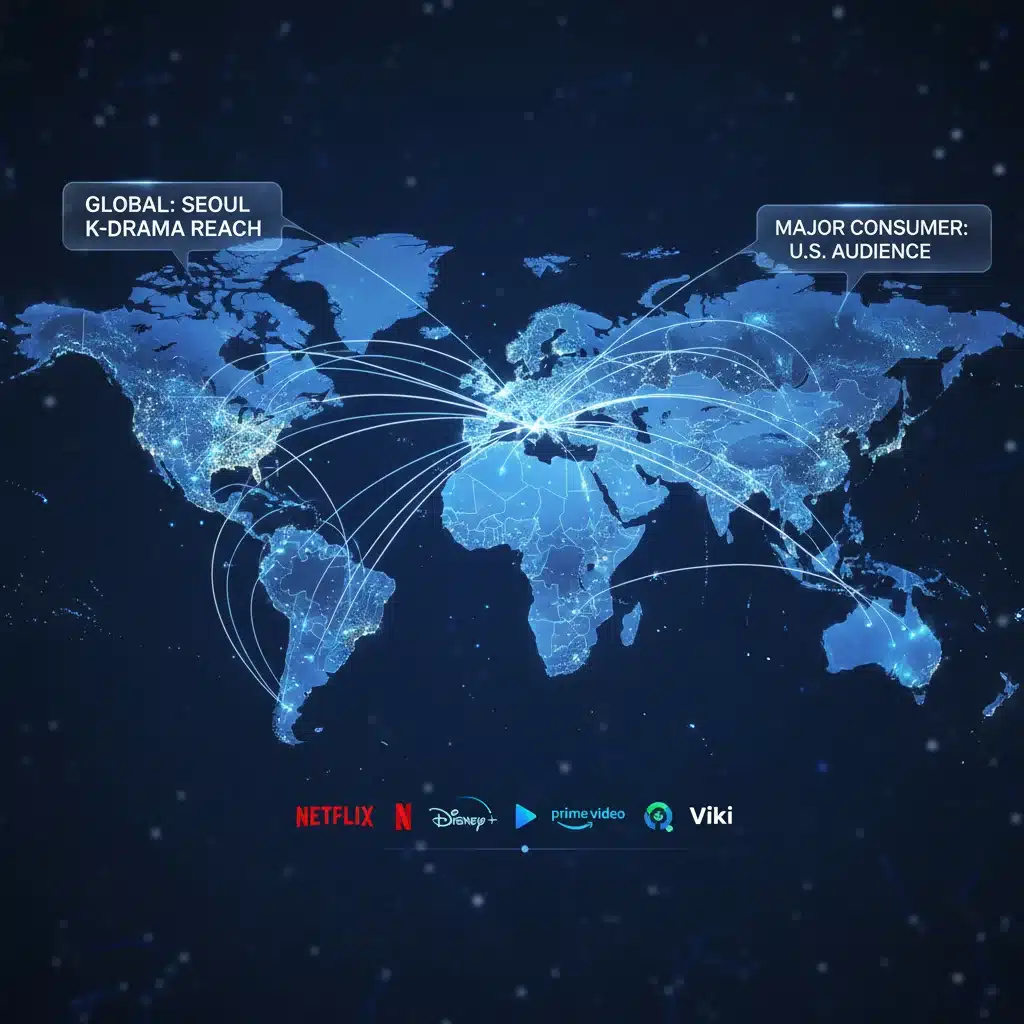
With increased competition for premium K-Drama Licensing Deals, the cost of acquiring this content for streaming platforms will inevitably rise. These increased costs are often passed on to consumers in the form of higher subscription fees. While a slight increase might be tolerable, a cumulative effect across multiple platforms could become a significant financial burden for dedicated fans.
Conversely, some platforms might offer bundled deals or tiered subscriptions to make their offerings more attractive. It remains to be seen how the market will respond to these pricing pressures, but viewers should be prepared for potential adjustments to their monthly streaming budgets.
Improvements in Subtitling and Localization
As K-dramas become more mainstream, the demand for high-quality subtitling and localization services will also increase. Platforms investing heavily in K-Drama Licensing Deals will likely also invest in better translation teams, aiming for more nuanced and culturally accurate subtitles. Some might even explore more extensive dubbing options for selected popular titles, though this remains a less common preference among hardcore K-drama fans.
This focus on quality will enhance the viewing experience for U.S. audiences, making the content more accessible and enjoyable. It’s a positive side effect of the fierce competition for viewership.
Strategies for U.S. Viewers to Navigate the 2026 K-Drama Landscape
Given the anticipated shifts in K-Drama Licensing Deals for late 2026, U.S. viewers can adopt several strategies to ensure they don’t miss out on their favorite shows and manage their streaming budgets effectively.
Stay Informed and Follow Industry News
The most crucial step is to stay informed. Follow reliable entertainment news outlets, K-drama fan communities, and the official social media channels of streaming platforms and Korean production houses. Announcements about new K-Drama Licensing Deals, exclusive acquisitions, and release schedules will be made well in advance. Being aware of these developments will allow you to anticipate where your desired shows will land.
Websites and forums dedicated to K-drama news often compile lists of upcoming releases and their respective streaming homes, making it easier to track changes.
Embrace a Flexible Subscription Model
Instead of maintaining multiple year-round subscriptions, consider a more flexible, ‘on-demand’ approach. If a particular platform secures exclusive rights to several shows you want to watch, subscribe for a few months, binge the content, and then cancel. You can then rotate your subscriptions based on what’s currently available and what you want to watch. This strategy can significantly reduce your overall monthly streaming expenditure.
Many streaming services offer monthly subscriptions with easy cancellation policies, making this approach highly feasible for navigating the dynamic nature of K-Drama Licensing Deals.
Utilize Free Trials and Bundled Offers
Keep an eye out for free trial periods offered by streaming services. These are excellent opportunities to catch up on exclusive content without committing to a full subscription. Additionally, some telecommunication companies or other service providers may offer bundled deals that include streaming subscriptions at a reduced rate. These can be a cost-effective way to access multiple platforms.
Explore VPNs (with Caution)
For some viewers, Virtual Private Networks (VPNs) offer a way to bypass geo-restrictions and access content available in other regions. While VPNs can expand your viewing options, it’s essential to proceed with caution. The legality of using VPNs to access geo-restricted content varies by region and platform terms of service. Furthermore, streaming services are increasingly sophisticated at detecting and blocking VPN usage. If you choose this route, research reputable VPN providers and understand the potential risks.
Support Official Channels
Ultimately, to ensure the continued production and availability of high-quality K-dramas, it’s vital to support official streaming channels. Subscribing to legitimate services and watching content legally helps fund the industry, encouraging more investment in new and exciting projects. While navigating the complexities of K-Drama Licensing Deals can be frustrating, your support directly contributes to the vibrant future of K-drama.
The Long-Term Outlook for K-Drama in the U.S.
Despite the potential for fragmentation and shifting accessibility due to new K-Drama Licensing Deals, the long-term outlook for K-dramas in the U.S. remains overwhelmingly positive. The genre has firmly established itself as a global cultural force, and demand shows no signs of waning.
Continued Investment and Production
Korean production houses are consistently delivering innovative and high-quality content, ranging from romantic comedies to gritty thrillers and historical epics. The success of shows like ‘Squid Game,’ ‘Parasite’ (film, but indicative of Korean content appeal), and ‘Extraordinary Attorney Woo’ has proven the global appeal and commercial viability of Korean storytelling. This success will continue to drive significant investment in new productions, ensuring a steady stream of content for years to come. The competition among streaming platforms for these compelling narratives will only grow fiercer, leading to more attractive K-Drama Licensing Deals for studios.
Expanding Genres and Diverse Storytelling
K-dramas are known for their ability to blend genres and tackle diverse themes. As the global audience for K-dramas expands, so too will the range of stories being told. We can expect to see even more experimental and niche genres gaining traction, catering to a wider spectrum of tastes. This diversity will further solidify K-drama’s place in the international entertainment landscape, making it an indispensable part of streaming libraries.
Cultural Exchange and Soft Power
Beyond entertainment, K-dramas serve as a powerful vehicle for cultural exchange, introducing U.S. audiences to Korean customs, food, language, and societal nuances. This ‘soft power’ aspect further enhances their appeal and contributes to a deeper global understanding. The continued proliferation of K-dramas through strategic K-Drama Licensing Deals will only strengthen these cultural ties.
Technological Advancements
Technological advancements in streaming, such as improved recommendation algorithms, better user interfaces, and higher-quality video and audio, will also enhance the K-drama viewing experience. As platforms continue to innovate, accessing and enjoying K-dramas will become even more seamless, despite the potential for content fragmentation.
Conclusion: Preparing for the Next Wave of K-Drama Accessibility
The late 2026 window for K-Drama Licensing Deals marks a pivotal moment for U.S. viewers. While the landscape may become more fragmented, it also promises continued innovation, diverse content, and fierce competition among streaming services, ultimately benefiting the consumer with higher quality productions and improved accessibility features.
By staying informed, adopting flexible subscription strategies, and supporting official content, U.S. K-drama fans can confidently navigate these changes. The future of K-dramas in America is bright, filled with exciting new stories waiting to be discovered, regardless of which platform secures the next big K-Drama Licensing Deals. Prepare for a thrilling ride as the K-drama wave continues to grow and evolve, bringing more captivating narratives to your screens.
Embrace the journey, stay connected with fellow fans, and get ready to dive into the next generation of Korean storytelling. The world of K-dramas is dynamic, and being prepared is the key to unlocking all the incredible content that late 2026 and beyond will undoubtedly bring.