K-Pop & Dorama Tourism: US Economic Impact to Grow 10% by 2025
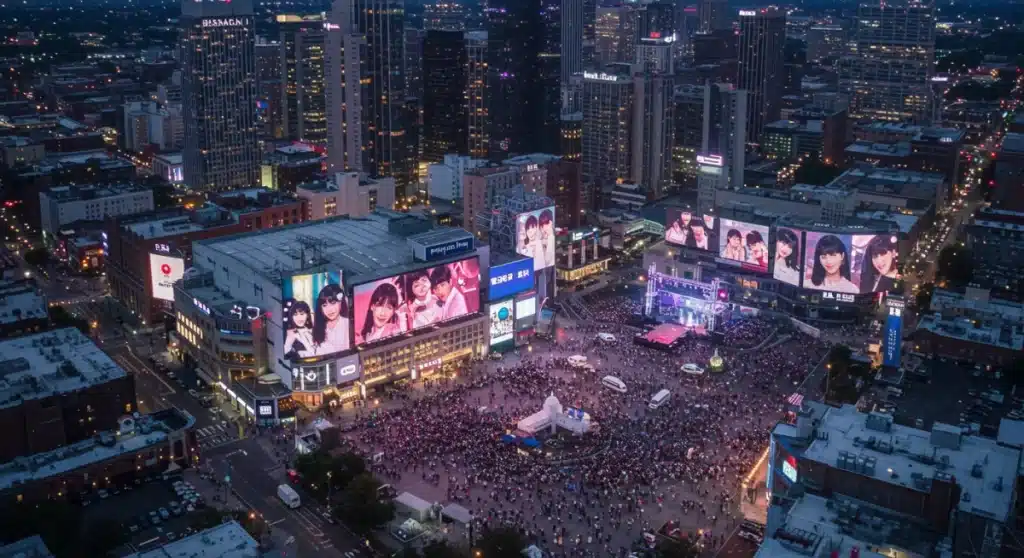
The economic impact of K-Pop and Dorama tourism on US cities is set for a substantial boost, with a projected 10% increase by 2025, significantly influencing local economies and cultural landscapes.
The cultural wave known as Hallyu, encompassing K-Pop music and Korean television dramas (doramas), has transcended global boundaries, profoundly influencing American pop culture and, increasingly, its economy. The projected 10% increase in the economic impact of K-Pop and Dorama tourism on US cities by 2025 signals a transformative shift in how international fan bases contribute to local economies, creating new avenues for revenue and cultural exchange.
The Hallyu Wave: A New Era of Cultural Tourism
The global phenomenon of Hallyu, or the Korean Wave, has evolved from a niche interest into a mainstream cultural force. This surge in popularity for K-Pop and doramas has cultivated an intensely loyal and active fan base worldwide, particularly within the United States. These fans are not just passive consumers of media; they are enthusiastic travelers, eager to immerse themselves in experiences related to their favorite artists and shows.
This dedicated fan engagement fuels a unique form of tourism, where destinations linked to K-Pop concerts, fan meetings, filming locations, or even Korean cultural centers become magnetic attractions. The desire to connect with the Hallyu phenomenon drives fans to travel, often across states or even internationally, directly contributing to the tourism sectors of various US cities. This trend is not merely about attending an event; it’s about a holistic experience that includes travel, accommodation, dining, and merchandise.
Understanding the Fan-Driven Economy
- Concert Attendance: Major K-Pop groups regularly sell out arenas across the US, bringing thousands of fans to host cities.
- Fan Meetings and Conventions: Smaller, more intimate events also draw significant crowds, often requiring overnight stays.
- Cultural Immersion: Fans seek out Korean restaurants, cultural centers, and K-beauty stores, driving diverse spending.
The Hallyu wave has fundamentally reshaped aspects of cultural tourism, moving beyond traditional landmarks to include experiences directly tied to contemporary media. This shift presents both opportunities and challenges for US cities looking to capitalize on this growing economic sector. Understanding the motivations and spending habits of these dedicated fans is crucial for developing effective strategies to attract and retain their business.
Economic Contributions: Beyond Ticket Sales
The financial footprint of K-Pop and Dorama tourism extends far beyond the immediate revenue generated from concert tickets or merchandise. When fans travel to US cities for Hallyu-related events, they engage in a wide array of economic activities that bolster local businesses and services. This comprehensive spending pattern creates a ripple effect throughout the urban economy, touching various sectors from hospitality to retail.
Accommodation is a primary beneficiary, with hotels, Airbnb rentals, and other lodging options experiencing increased demand. Restaurants, cafes, and bars also see a boost in patronage as fans explore local culinary scenes. Transportation networks, including airlines, ride-sharing services, and public transit, are utilized extensively. Moreover, local retail establishments, particularly those offering unique cultural items or souvenirs, often report significant sales increases during these periods.
Direct and Indirect Economic Impacts
- Hospitality Sector: Hotels, motels, and short-term rentals experience increased bookings and higher occupancy rates.
- Food and Beverage: Restaurants, cafes, and catering services benefit from increased demand from visitors.
- Retail and Merchandise: Local shops, pop-up stores, and official merchandise vendors see significant sales.
- Transportation Services: Airlines, taxis, ride-shares, and public transport systems all experience a surge in usage.
These direct expenditures then create indirect economic benefits, as businesses use their increased revenue to purchase supplies, pay wages, and invest in local services. This cyclical flow of money further stimulates the local economy, demonstrating that the impact of K-Pop and Dorama tourism is a multifaceted phenomenon that contributes significantly to urban prosperity.
Key US Cities Benefiting from Hallyu Tourism
While the Hallyu wave has a broad reach, certain US cities have emerged as significant hubs for K-Pop and Dorama tourism due to their existing infrastructure, cultural diversity, and capacity to host large-scale events. These cities often possess a combination of large concert venues, diverse culinary scenes, and a substantial Korean diaspora, making them natural destinations for fans seeking immersive experiences.
Los Angeles, with its extensive entertainment industry and large Korean-American population, is a prime example. New York City, a global cultural melting pot, also frequently hosts major K-Pop concerts and cultural events. Other cities like Chicago, Atlanta, and Dallas are increasingly becoming popular stops on K-Pop tours, recognizing the economic potential these events bring. These urban centers actively compete to attract Hallyu-related events, understanding the substantial financial and cultural benefits.
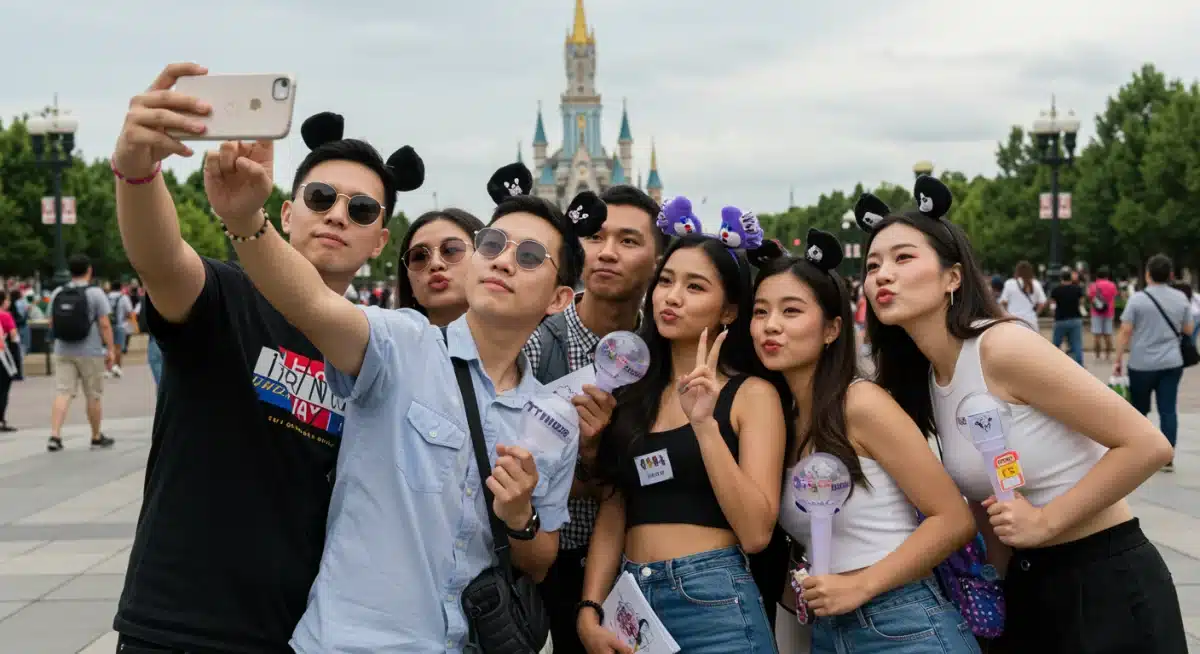
The strategic development of infrastructure and marketing efforts in these cities plays a crucial role in maximizing the economic impact. This includes everything from ensuring adequate transportation and accommodation to promoting local businesses that cater to the specific interests of Hallyu fans. The ongoing growth of this tourism sector suggests that more cities will likely invest in becoming Hallyu-friendly destinations.
Case Studies: Cities Embracing the Wave
Los Angeles consistently hosts major K-Pop concerts and conventions, drawing tens of thousands of fans and generating millions in local revenue. Its Koreatown offers an authentic experience for fans interested in Korean culture, food, and shopping. Similarly, New York City leverages its status as a global hub to attract top-tier K-Pop acts and host large-scale fan events, contributing significantly to its vibrant tourism economy.
Beyond the coasts, cities like Chicago have successfully hosted multiple K-Pop tours, demonstrating the widespread appeal and economic viability of these events across the US. The economic benefits are not limited to large metropolitan areas; even smaller cities can experience significant boosts when they host a fan event or concert, highlighting the broad potential of this niche tourism market.
Projected Growth and Future Trends by 2025
The projection of a 10% increase in the economic impact of K-Pop and Dorama tourism on US cities by 2025 is a conservative estimate, reflecting the sustained momentum of the Hallyu wave. This growth is driven by several factors, including the increasing global popularity of Korean entertainment, improved accessibility for international travel, and the evolving strategies of entertainment companies to engage with their fan bases.
As K-Pop groups continue to debut and doramas gain wider distribution through streaming platforms, the fan base in the US is expected to expand further. This expansion will naturally lead to increased demand for live events, themed experiences, and cultural tours. Additionally, technological advancements and social media continue to amplify the reach and influence of Hallyu, attracting new fans and solidifying the loyalty of existing ones.
Factors Driving Future Expansion
- Digital Accessibility: Streaming platforms make doramas accessible to millions, converting viewers into potential tourists.
- Social Media Engagement: Platforms like TikTok and Instagram amplify K-Pop’s reach, fostering new fan communities.
- Artist Expansion: More K-Pop groups are touring the US, increasing the frequency and geographic spread of events.
- Cultural Integration: Growing interest in Korean cuisine, fashion, and language encourages deeper cultural engagement.
The future of Hallyu tourism also involves a greater emphasis on experiential travel, where fans seek out unique, interactive opportunities beyond just attending concerts. This could include pop-up cafes, themed exhibitions, or even language and dance workshops, further diversifying the economic contributions to host cities. Cities that can innovate and offer these specialized experiences will likely see the greatest benefits from this growing trend.
Challenges and Opportunities for US Cities
While the economic benefits of K-Pop and Dorama tourism are substantial, US cities face several challenges in fully capitalizing on this phenomenon. These include infrastructural limitations, the need for targeted marketing strategies, and ensuring sustainable growth. However, these challenges also present significant opportunities for innovation and development, allowing cities to enhance their appeal as Hallyu destinations.
One major challenge is the capacity of existing venues and transportation systems to handle large influxes of fans, especially during major concert tours. Cities must also develop effective marketing campaigns that specifically target Hallyu fans, understanding their preferences and communication channels. Furthermore, ensuring that the growth of this tourism is sustainable and benefits local communities equitably is crucial for long-term success. Addressing these issues can unlock even greater economic potential.
Navigating the Landscape
Ensuring adequate public safety and crowd management during large-scale events is paramount. Cities need to collaborate with event organizers to implement robust security plans and efficient logistical operations. This involves coordinating with local law enforcement, emergency services, and transportation authorities to facilitate smooth event execution and minimize disruption to daily urban life.
Another opportunity lies in fostering local businesses to cater specifically to Hallyu fans. This could involve promoting Korean-owned businesses, encouraging local restaurants to offer special K-food menus, or supporting independent retailers who sell K-Pop merchandise. By integrating local businesses into the Hallyu tourism ecosystem, cities can ensure that the economic benefits are widely distributed and contribute to the overall vitality of their communities.
The Cultural Exchange and Soft Power Influence
Beyond the direct economic impact, K-Pop and Dorama tourism foster significant cultural exchange and enhance South Korea’s soft power influence in the United States. As fans travel to US cities for Hallyu-related events, they bring with them a curiosity and appreciation for Korean culture, which in turn sparks interest among local populations. This cultural exchange goes beyond entertainment, influencing fashion, cuisine, language, and even social norms.
The presence of Hallyu events in US cities provides a platform for cross-cultural understanding and dialogue. It allows Americans to engage directly with elements of Korean culture, breaking down stereotypes and fostering a more interconnected global community. This soft power influence can have long-term benefits, strengthening diplomatic ties and promoting a more diverse and inclusive cultural landscape within the US.
Long-Term Cultural Benefits
- Increased Cultural Literacy: Americans gain exposure to Korean language, traditions, and societal values.
- Culinary Exploration: Growth in popularity of Korean food and restaurants across the US.
- Fashion Trends: K-Pop fashion influences American youth culture and retail.
- Enhanced Diplomacy: Cultural understanding can lead to stronger international relations.
The sustained interest in K-Pop and doramas also creates opportunities for educational institutions to offer courses in Korean language, history, and culture, further embedding Hallyu’s influence into American society. This deeper engagement ensures that the impact is not just fleeting but contributes to a lasting cultural shift, enriching the diverse tapestry of US cities.
| Key Aspect | Brief Description |
|---|---|
| Economic Growth Projections | US cities anticipate a 10% increase in economic impact from K-Pop and Dorama tourism by 2025. |
| Key Economic Sectors Affected | Hospitality, retail, food and beverage, and transportation sectors see significant boosts. |
| Cultural Exchange Benefits | Hallyu tourism fosters cross-cultural understanding and strengthens soft power influence. |
| Strategic City Development | Cities are investing in infrastructure and targeted marketing to attract Hallyu fans. |
Frequently Asked Questions About Hallyu Tourism
The Hallyu wave refers to the global rise of South Korean popular culture, including K-Pop and doramas. Its impact on US tourism stems from a dedicated fan base traveling to US cities for concerts, fan events, and cultural experiences, contributing significantly to local economies.
Major metropolitan areas like Los Angeles, New York City, Chicago, Atlanta, and Dallas are significantly impacted. These cities often have large venues, diverse cultural scenes, and Korean communities that appeal to Hallyu fans, making them popular destinations.
Fans spend on accommodations, dining, transportation, and retail, including merchandise. This direct spending boosts local businesses, creates jobs, and generates tax revenue, fostering a ripple effect throughout the urban economy.
The economic impact of K-Pop and Dorama tourism on US cities is projected to increase by 10% in 2025. This growth is fueled by expanding global popularity, increased accessibility of content, and evolving fan engagement strategies.
Yes, challenges include managing event logistics for large crowds, developing targeted marketing campaigns, and ensuring sustainable growth that benefits local communities. Addressing these can unlock even greater economic potential and cultural exchange.
Conclusion
The burgeoning influence of K-Pop and Dorama tourism represents a dynamic and increasingly vital segment of the US economy. With a projected 10% increase in economic impact by 2025, the Hallyu wave is not merely a cultural phenomenon but a powerful economic engine, driving significant revenue into US cities through travel, hospitality, retail, and entertainment. This trend underscores the importance of understanding and adapting to evolving fan-driven economies, offering both challenges and substantial opportunities for urban development and cultural enrichment. As Korean popular culture continues its global ascent, US cities that strategically embrace this movement stand to gain not only economically but also in fostering a richer, more diverse cultural landscape.